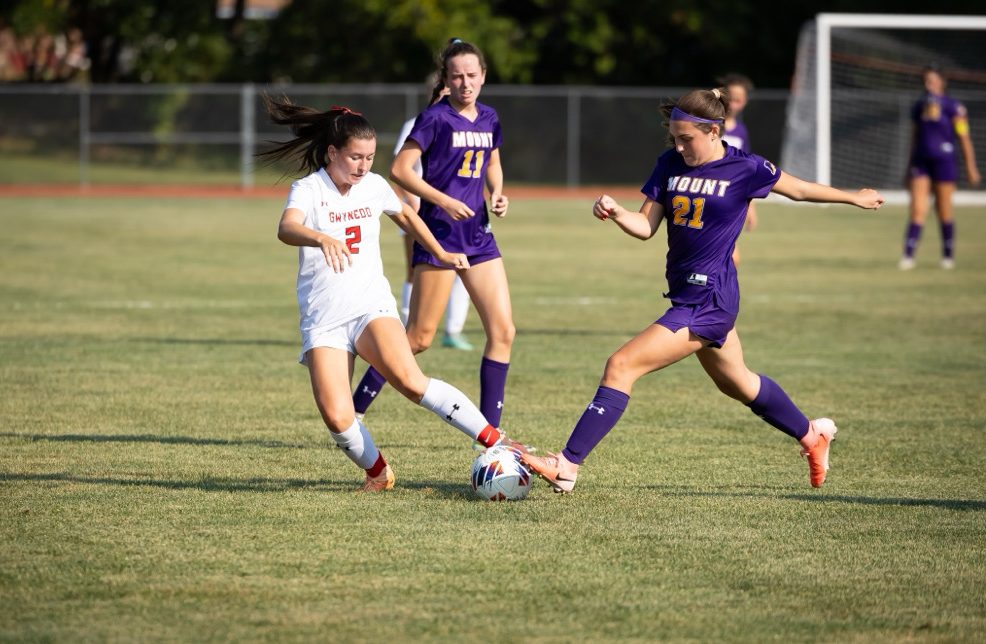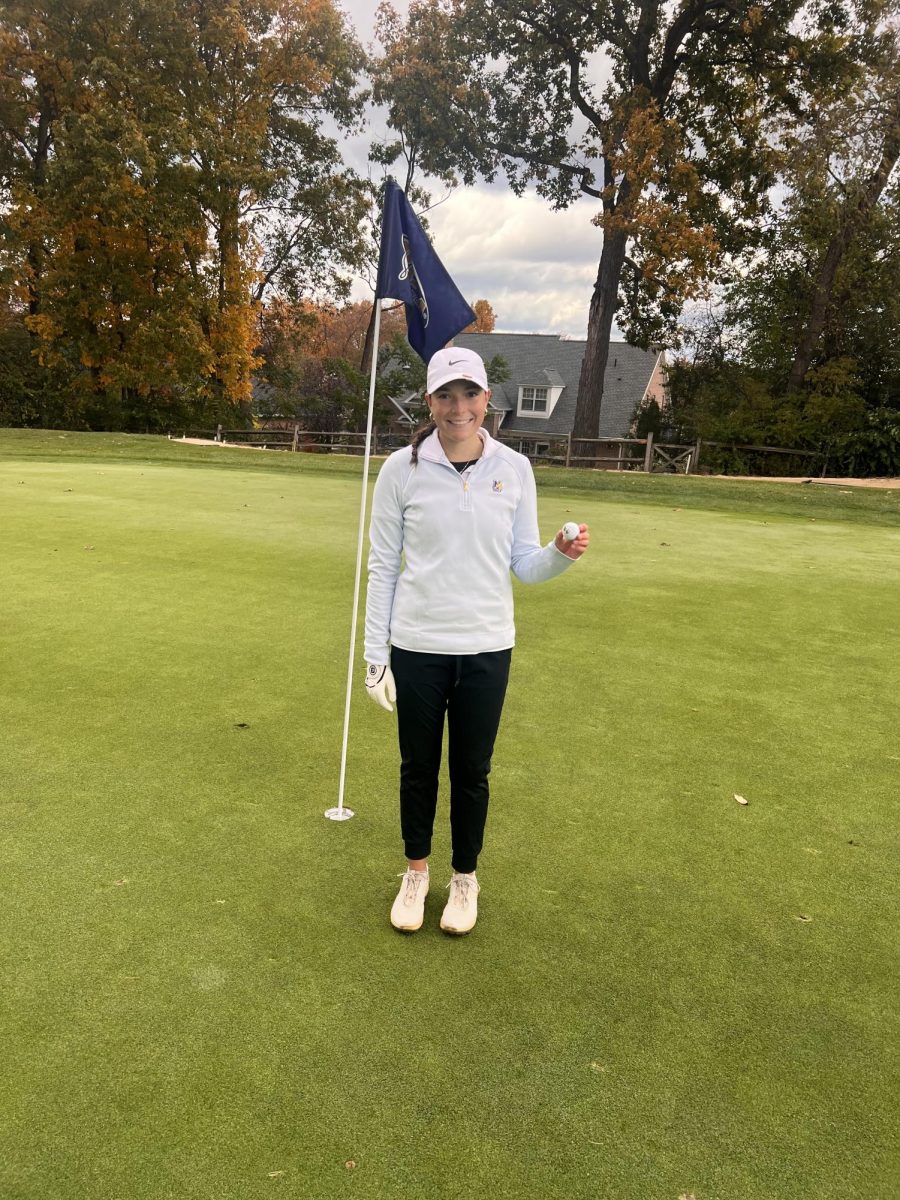


For pregame routines to lucky gear, athletes across different sports often rely on superstitions to feel prepared and in control before competition.
While these rituals may seem small or even unusual, many athletes say they play a key role in boosting confidence and maintaining consistency.
For some, the superstition is a simple physical action repeated before every event.
Kelly McDonald ‘26, a swimmer, follows a specific routine with her equipment before stepping up to compete.

“I swim and before any relay or race I like to flip my goggles upside down,” McDonald said.
Though the actions itself does not directly affect performance, it serves as a mental cue that signals readiness.
Others tie their routines to pre-competition habits.
Aubrey Sheehan ‘27, a rower, sticks to a consistent ore-race ritual involving a familiar stop.

“For crew racing, one of my biggest superstitions is getting Starbucks before every race—I always have to get the same thing—,” Sheehan said.
The repetition provides a sense of stability before high-pressure races, where consistency is key.
In individual sports, superstitions can be closely tied to personal items.
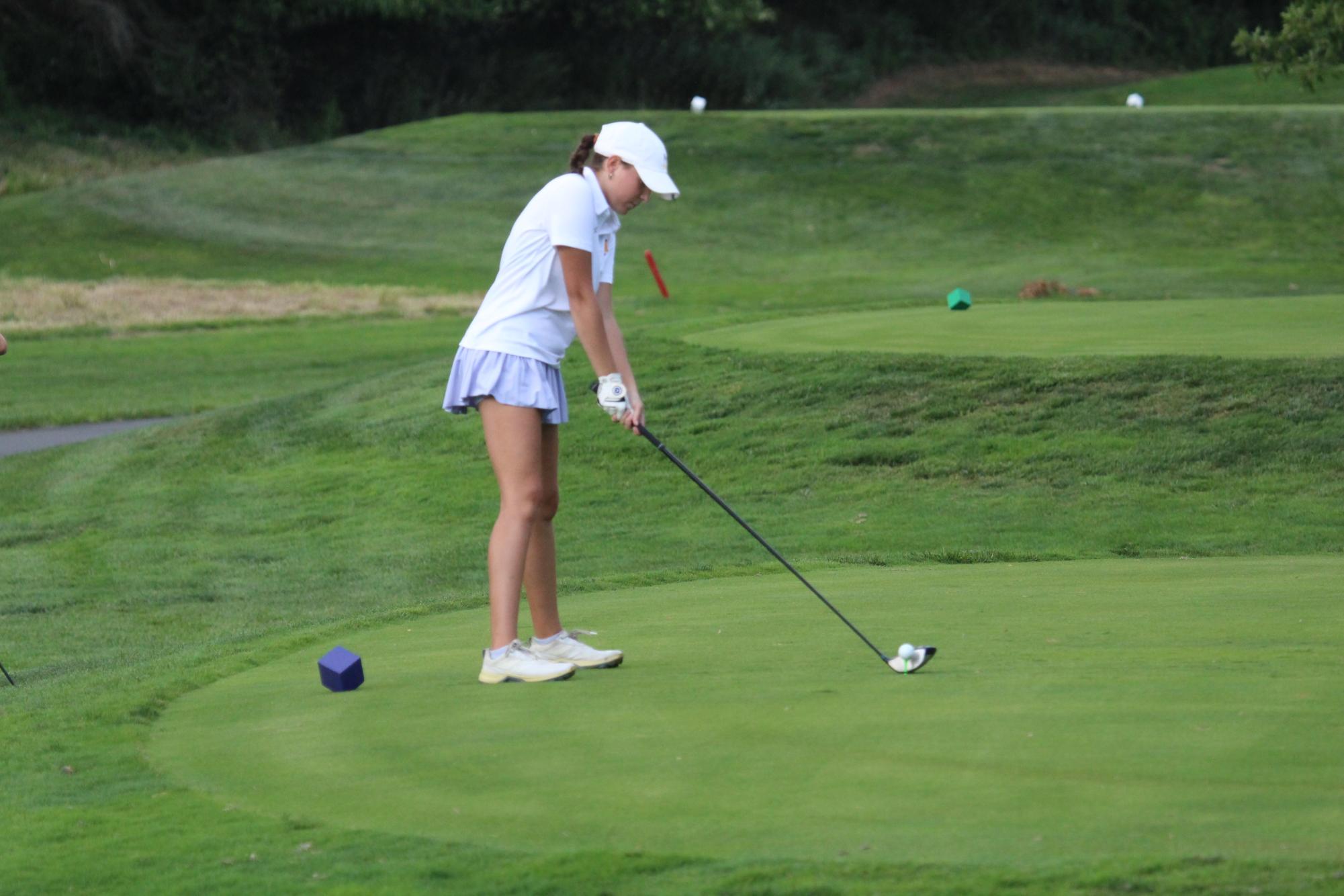
Michaela Ianieri ‘26, who plays golf, relies on a specific accessory during matches.
“During matches I wear these specific earrings every time I play because I’m afraid if I change them then I won’t play well,” Ianieri said.
For her, the earrings have become associated with successful performance, reinforcing her confidence on the course.
Sports psychologists often note that superstitions can help athletes manage nerves by creating a sense of control in unpredictable environments.
Whether it is by flipping goggles, ordering the same drink, or wearing lucky jewelry, these rituals can reduce anxiety and sharpen focus.
While the effectiveness of superstitions may not be specifically proven, their impact on mindset is clear. For many athletes, it is not about luck but about routine, confidence, and the belief that preparation, both mental and physical, makes all the difference.