











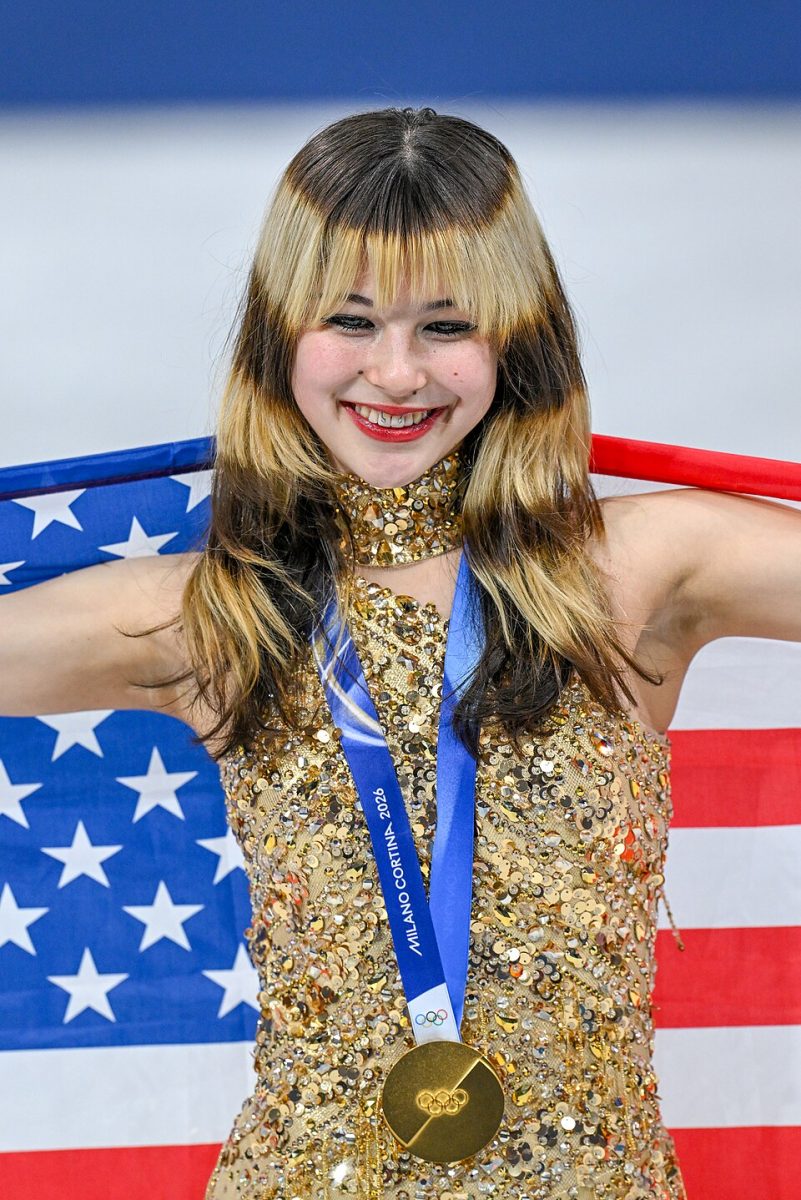























Not many Olympians retire at just 16 years old, but Alysa Liu did exactly that in an Instagram post after winning bronze at the 2022 Beijing Olympics. After her recent return in the 2026 Winter Olympics, Liu became a role model for many who experienced the same athletic burnout.
Born August 8th, 2005 in Richmond, California, Liu began skating at a young age. Her father Arthur Liu recognized and encouraged her talent for skating from the moment she stepped on the ice. What he had intended to be a simple recreational activity soon became much more.
Her career in skating took off as she excelled in competitions and broke record after record. At only 10 years old she began attempting double axels, a move usually only done by serious senior skaters.
Two years later Liu made history again at the 2019 Detroit national championships by landing three triple axels—a feat that no other U.S. woman had accomplished before.
In 2020, Liu continued to exceed expectations, becoming the world junior bronze medalist. A mere six weeks after medaling at the Beijing Olympics she made the shocking announcement that she was withdrawing from the sport.

Many athletes experience the same burnout and mental exhaustion that Liu faced. This ultimately results in declining performance and can affect everyone from elite competitors to regular players.
The stress of competition and pressure to be perfect can become all-consuming, a feeling that all athletes know too well. Quitting can often be the hardest part, which is what made Liu’s decision so monumental.
For many athletes watching at home, her actions were inspiring.
“I like how she quit because of the toxic environment and then decided to come back on her own terms,” Anna Saucier ‘27 said.
The previously retired Olympian realized she missed the familiar rush and adrenaline of competing after a day spent skiing with her family and this past year, reentered the world of skating with a new perspective.
In an interview with Teen Vogue, Liu explained how she was finally able to learn about who she truly was, and regain her identity outside of the rink.
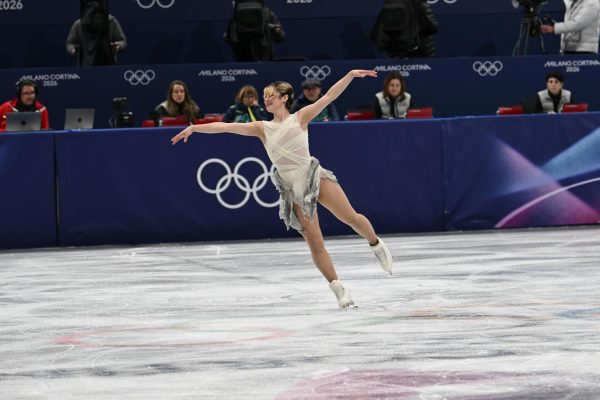
Her willingness to prioritize her well-being over expectations has especially resonated with young athletes.
“I think she’s cool because she’s a trailblazer for young female athletes and I love how she advocates for stepping away from your sport if you need it” Leah Hartzel ‘27 said.
She came back to the ice with a newfound confidence and individual style, determined to compete in a way that was fun and enjoyable to her.
Her carefree personality and determination to exceed made her a role model for many, showing that it’s possible to be the best without losing yourself in the process.