
The capture itself
According to NY Times planning began in August when CIA agents entered Venezuela and spent months collecting information on Maduro’s daily habits and routines. In addition, a fleet of stealth drones and a human source were used to gather details for the operation to take place.
Once enough information had been gathered, the operation took place on Jan. 3 at 4:30 p.m., during a holiday season when many Venezuelan government and military members were on leave.
For six hours, forces waited, monitoring Maduro’s whereabouts and weather conditions. At 10:30 p.m., President Trump gave final authorization over a phone call.
A cyberoperation disrupted power in parts of the country, allowing U.S. aircraft to enter under the cover of darkness.
U.S. warplanes took out radar and air defense batteries.
More military aircraft cleared a safe path for helicopters carrying special forces by destroying Venezuela’s air defenses.
Delta Force operators entered a military base and arrested Maduro and his wife, Cilia Flores. They were then transferred between multiple U.S. aircraft and ships before arriving at a military-controlled airport north of Manhattan.
The NY Times reported that at least 40 Venezuelans were killed and there were no U.S. casualties.
International opinion
This operation caused debate over its legality and justification. According to The New Arab, many governments and international organizations opposed this plan, condemning it as a serious violation of sovereignty and international law.
Countries including Russia, China, Iran, Mexico, Colombia, Brazil, Cuba, France, the EU, U.K., and U.N. expressed opposition to the plan. Some other countries supported the United States’s actions including Italy, the Dominican Republic, and Trinidad and Tobago.
The Venezuelan government described the capturing of Maduro as an “extremely serious military aggression” and declared a state of emergency.
While the operation itself was over in one night, this event continues to unfold politically.
Indictment
The NY Times reported that Maduro is now being indicted on multiple charges, most notably, narco-terrorism and importing cocaine. Both of which he has pleaded not guilty to.
Maduro’s capture was not the first move the United States has made on Venezuela. According to Britannica, leading up to this event the United States has gone through with multiple naval strikes on Venezuelan ships, a drone strike on a Venezuelan port, and has placed political sanctions against the country.
In addition, Trump has accused Maduro for years of being personally involved with drug trafficking and Maduro was originally indicted in 2020 on similar charges.
Oil industry
Now that Maduro has been captured, Trump said in a Fox News video that the U.S. will be involved with the Venezuelan oil industry stating, “they were pumping almost nothing by comparison to what they could have been pumping.” The current interim president of Venezuela, Delcy Rodriguez said Venezuela is “open to energy relations with the U.S.” according to DW.
The NY Times reported that soon before the capturing of Nicolás Maduro, the United States imposed a blockade on Venezuela’s energy exports. This blockade reportedly halted over 70% of Venezuela’s oil exports this year. Venezuela had to store oil in tanks but eventually ran out of storage and were unable to sell the oil. Now, sanctions have been lifted and exports have been restarted under U.S. conditions.
Trump made an agreement with Rodriguez for the Venezuelan government to transfer between 30 and 50 million barrels of oil to the UnitedStates. Trump said the U.S. government will sell the oil at market price and the income will be controlled by him “to ensure it is used to benefit” Venezuelans and Americans.
China, Russia, Iran, and Cuba have been cut off from Venezuelan oil per the request of the U.S. administration. Cuba has been hit the hardest from this change and the United States will allow the flow of oil to Cuba to continue if they make a deal. Reuters reported that Cubans have begun to install solar panels to combat blackouts.
Venezuelan people
PBS reported that the morning Maduro was captured Venezuelans heard loud rumbling noises
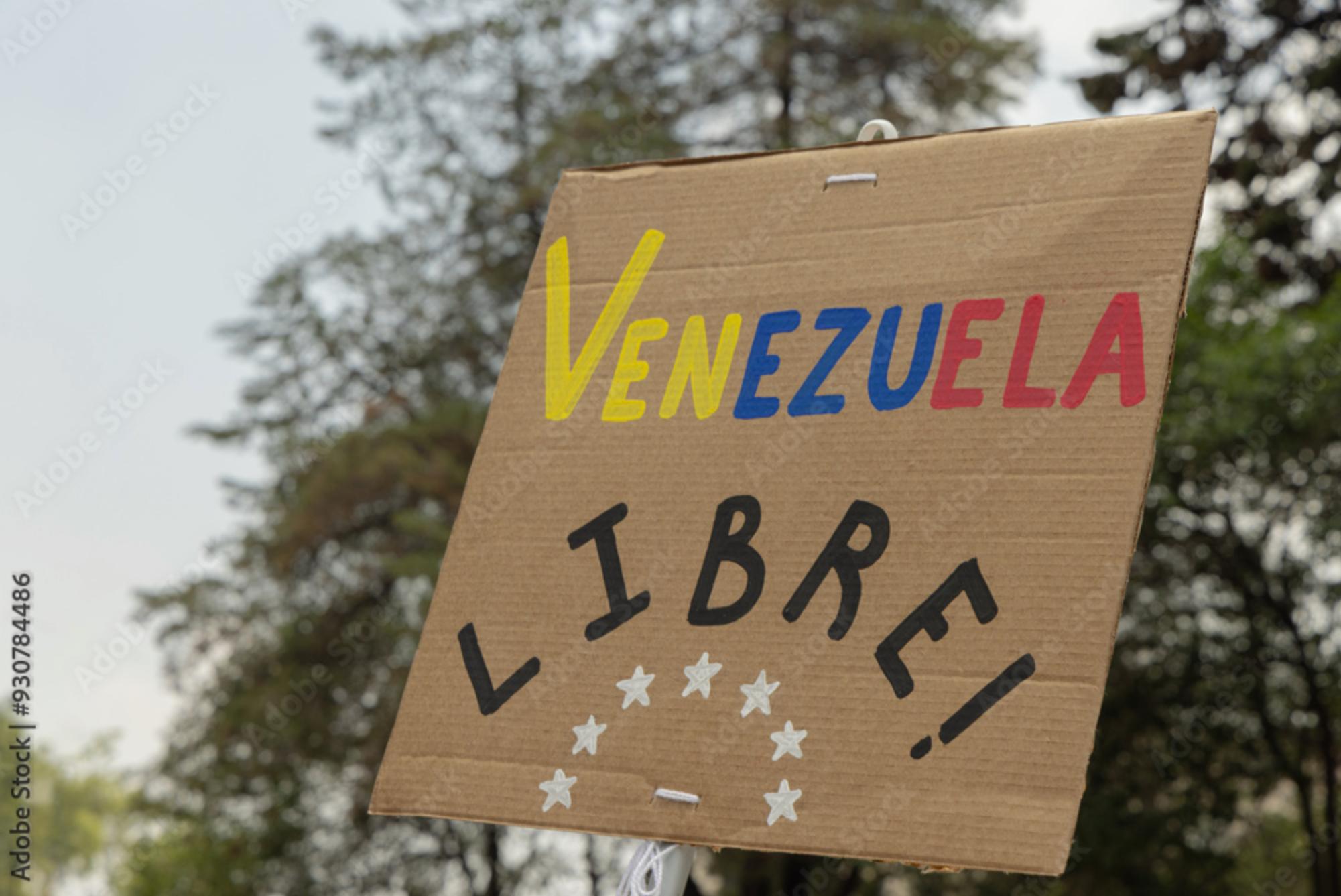
. They did not have much information at first, but eventually the government released a statement saying that an aggression perpetrated by the United States had occurred with the purpose of gaining control of Venezuelan oil resources. The Venezuelan government described Maduro’s capture as a “kidnapping.” In Caracas, Maduro supporters gathered in the streets, while most other Venezuelans stayed at home, awaiting further information.
In Colombia and other South American countries, where, according to the NY Times, many Venezuelans have migrated over the years to escape political violence and find opportunity, Venezuelans celebrated in the streets with fireworks and speeches, but did not return home.
Mount’s reactions
It seems so much has been happening in America lately, and everyone has strong opinions about it. At Mount, multiple students expressed their reactions.
”I think it’s uncalled for because we are engaging in issues with other countries when we have our own urgent issues to solve,” Ynez Doyle ‘26 said.
Another student expressed a similar concern about U.S. involvement in Venezuela.
”America had absolutely no place in Venezuela and staging a military coup in the middle of all the crises happening in our own country right now it’s disgusting,” Caitlyn Kenary ‘26 said.
Other students questioned whether the decision reflected the country’s priorities.
”I think it was a bad decision on Trump’s part when we have so many other issues in America we should be focusing on,” Megan Bader ‘28 said.