





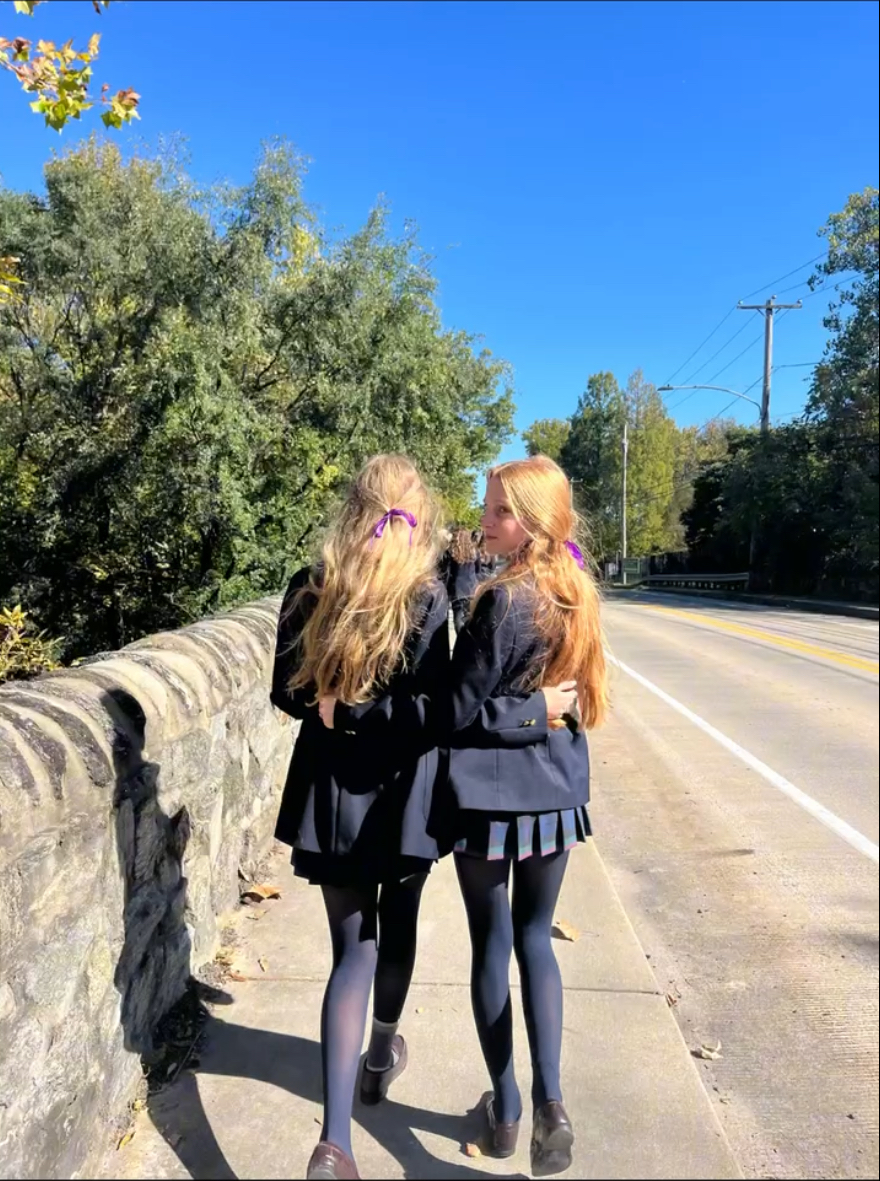






















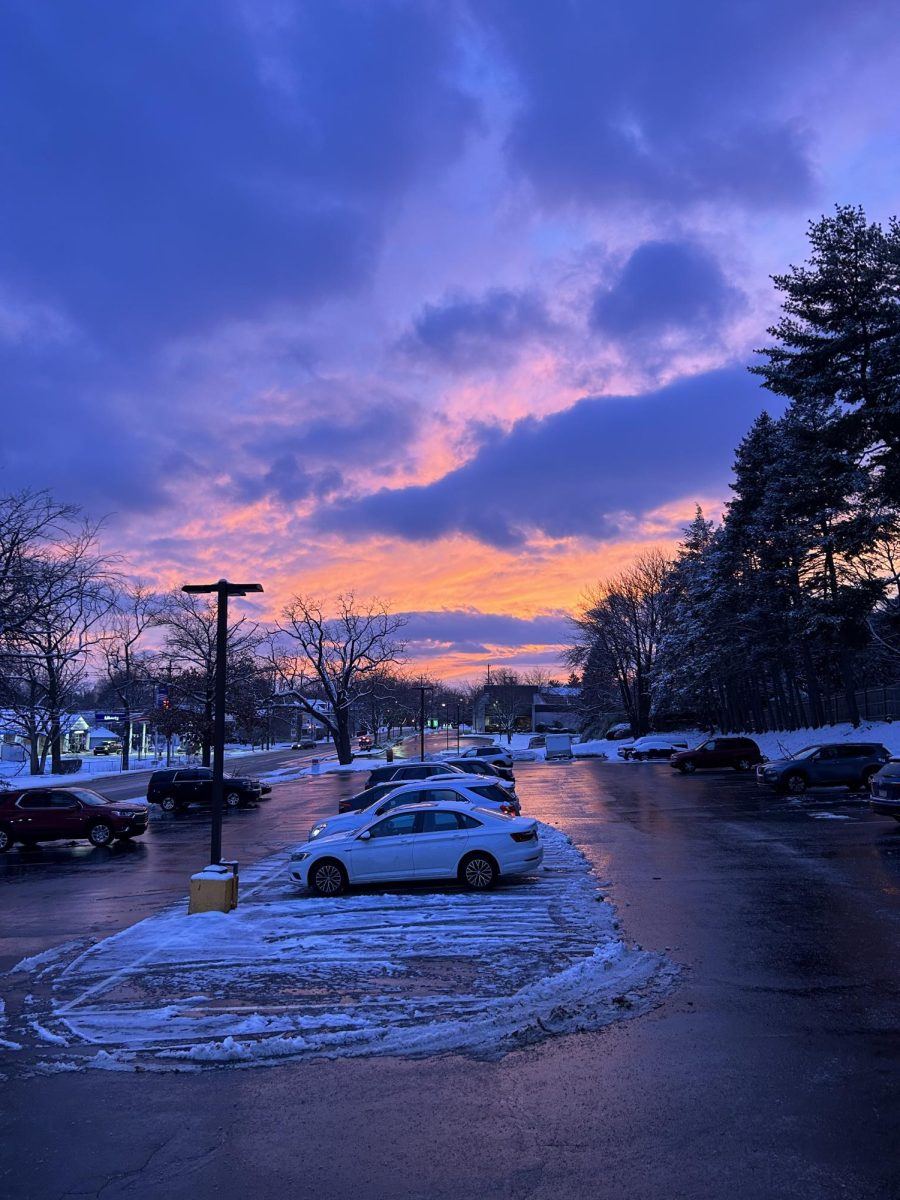











Over the past few winter months, the weather has significantly gotten colder, some temperatures even dropping down into the negatives. As a result, the roads have gotten icier, snow has covered the once green grass, and winter jackets have been essential for anyone stepping foot outside. These icy conditions are extremely dangerous for students trying to commute to school, especially early in the morning when the roads are the most dangerous.
For this reason, school should be virtual in subzero temperatures. After water freezes and turns into ice on the road, cars and buses easily slip and slide, increasing the chance of accidents and car wrecks.
Sending children to school in freezing weather is an extreme risk, one that should not be taken if there is another option, such as virtual schooling.
Teachers and students benefit from school being online, as both get the opportunity to do their work from the comfort of their own home, stay safe by avoiding dangerous roads, and also get a chance to catch up on overdue work. Many accidents and deaths are also avoided from staying home, as less cars and buses will be on the road sliding on ice.
Although many people do love virtual school, some teachers and administrators strongly disagree with the idea of being online for school.
“I do not think virtual school due to the cold is a viable option. Connection, community, laughter in the hallways, shared snacks, and some of our most treasured clubs and activities would be lost without that option,” Principal Dr. Sullivan said.
Research has shown that virtual school is less beneficial than in-person school. Studies done by the National Education Policy Center at the University of Colorado Boulder reported in 2018 that around 50% of online students graduated compared to 84% of in school students who graduated across the country.
Virtual school could be harmful to a student long-term, but, if students stayed home only on a few extremely cold days, they won’t face the long-term effects of learning online.
Although studies show that in-person school is effective, for newly licensed drivers, driving to school is especially nerve-wracking in the snowy or icy conditions. Many drivers are extremely nervous about driving in this weather, especially since school starts early in the morning when the roads are the worst.
“When there’s ice on the road, for example, I was driving when we had our big snowstorm…I stopped about 20 feet before the red light, and my car just wouldn’t stop,” Lila Gregorio ‘27 said.
Parents of these young drivers are also anxious about their children driving in this weather, as they don’t have much experience behind the wheel quite yet.
“So [her] driving in icy conditions does worry me, because she hasn’t had a lot of experience with it,” Kelly Ciccarone, parent of Mariana Ciccarone, Pope John Paul II High School ‘27 said.
Some younger children who live closer to school also are forced to walk in these freezing conditions, and even some children must stand outside to wait for the bus. Research done in Finland showed that children who spent time out in the cold reported more issues including respiratory issues, pain, and numbness. Children should be protected in any way possible- and, in this case, making school virtual would be the best and safest option.
Subzero temperatures are a justifiable reason to make school virtual, as it would keep all students safer on the roads, and would even be better for their health. If school was made virtual for these frigid days, no significant effects would take place, as online schooling would not last for more than one or two days, depending on the temperature.