



























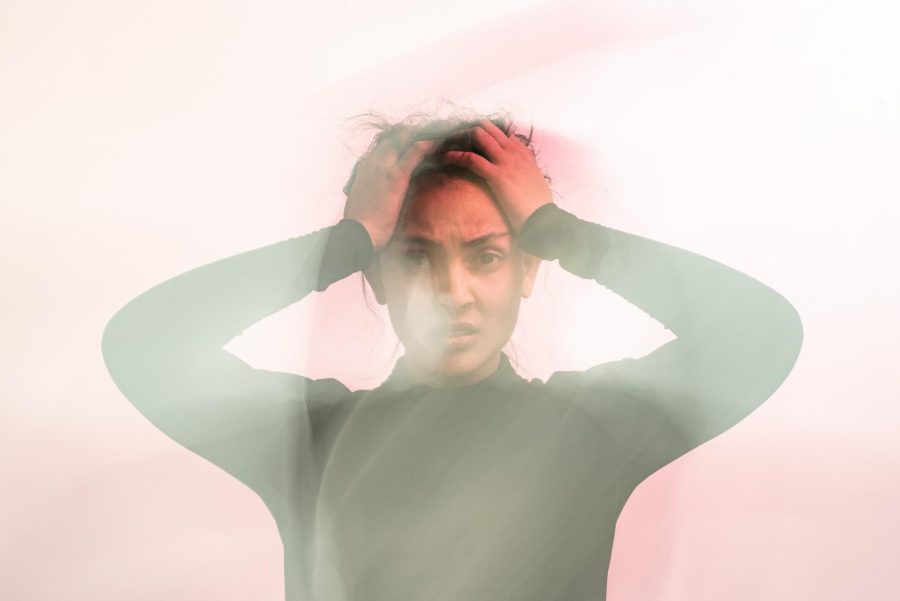









From bodily alterations to filters, young women and girls today feel immense pressure to meet an everchanging expectation of “pretty,” even if it is painful.
The methods women take today can be taxing and sometimes harmful, such as extreme dieting, facial reconstruction, and an emphasis on beauty products. According to Yahoo Finance, women in their 20’s spend an average of $9,314 annually on beauty products and treatments.
The Rising Popularity of Botox
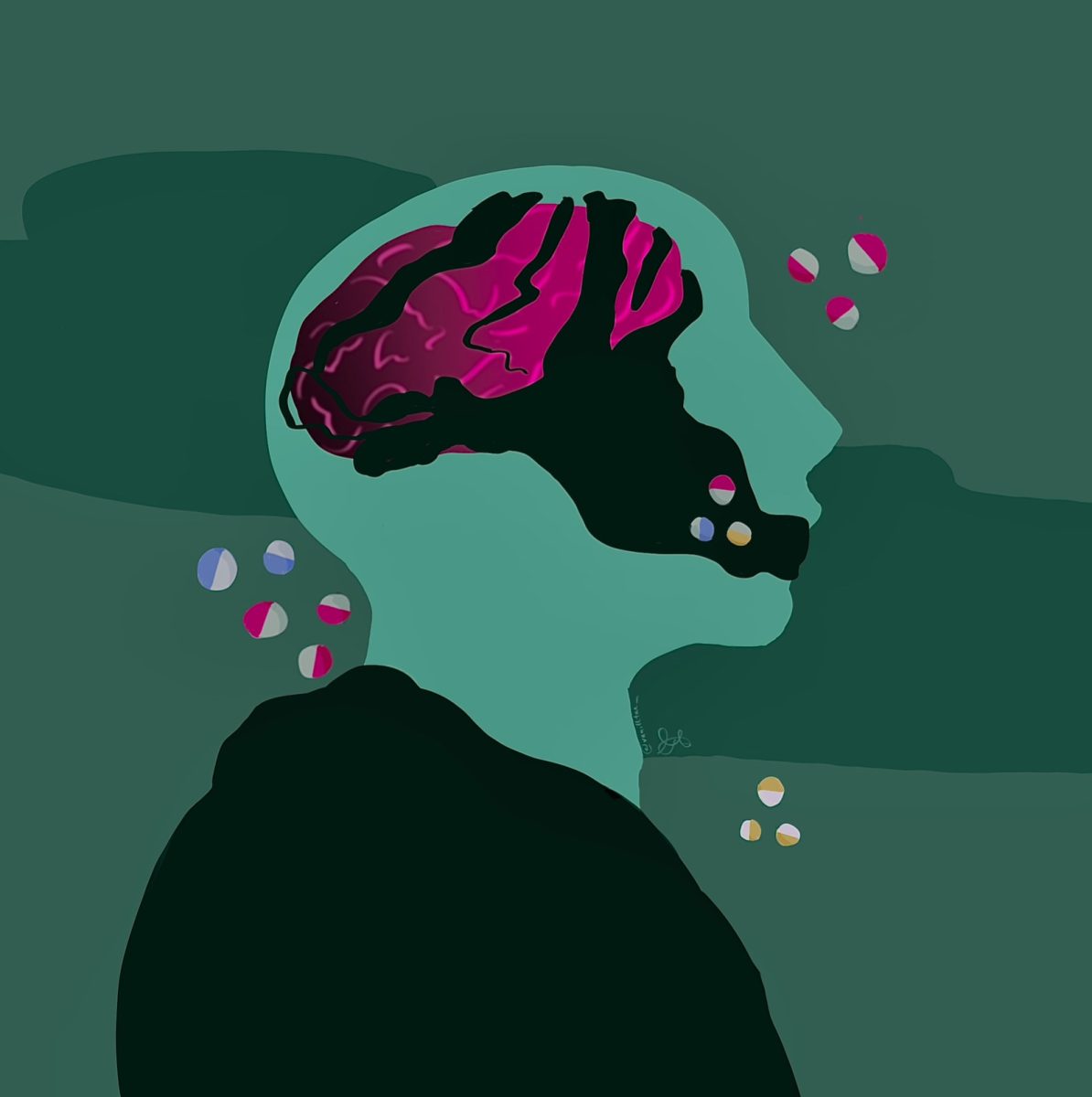
Starvation and eating disorders have been prevalent in women for over forty years, but one of the most dramatic forms of bodily harm has only skyrocketed in the recent decade: the injection of Botox. According to Mayo Clinic, “Botox injections are shots that use a toxin to prevent a muscle from moving for a limited time. These shots are often used to smooth wrinkles on the face.”
While the procedure can be used to medically treat muscle spasms or other conditions, a significant number of women are increasingly undergoing Botox injections for cosmetic purposes. And while some men may use Botox for cosmetic purposes as well, most cases have been overwhelmingly women. According to Healthline, 94% of cosmetic Botox procedures were received by women.
Companies continuously advertise Botox as a cosmetic method to smooth wrinkles and achieve a youthful appearance. According to sociologist Dana Berkowitz in Botox Nation: Changing the Face of America, “Botox is marketed as appealing to the Everywoman, not just the economically prosperous and the socially ambiguous.”
Facial reconstruction is not a symbol of status for the rich; it is marketed to anyone who wants to achieve a certain level of beauty. And while Botox is a safe procedure when performed by a professional and is used for medical purposes, younger women are increasingly undergoing treatment for cosmetic purposes. And while some women may feel empowered by personal choice, there are many who feel pressure rather than confidence.
According to a 2022 survey conducted by the American Academy of Facial Plastic and Reconstructive Surgery, around 75% of facial plastic surgeons have reported an increase in patients under 30 requesting facial reconstruction or injections.
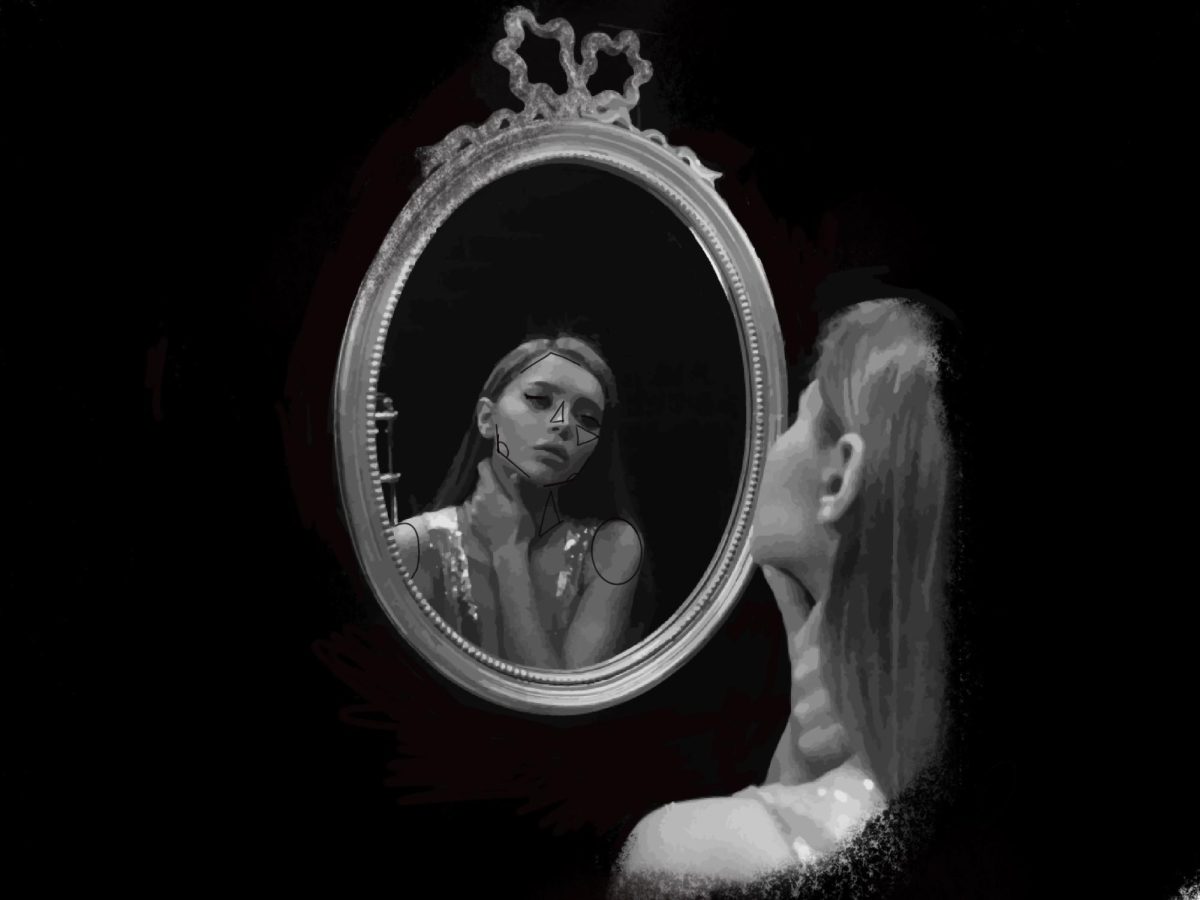
The cosmetic use of Botox has only become more common in the recent decade, the neurotoxin can have a swift impact on both women’s physical faces and the way they think about their reflections and own faces, blurring the line between reality and filters.
“We see a 15-second long clip, and it keeps scrolling, and we just don’t get to see the inside of people’s lives. We don’t know who they truly are. No, we only see what they put out, and what they put out is perfection that not even they can live up to,” Lauren Delp ‘29 said.
Younger and Younger
With social media feeds flooded with influencers who have lip injections and Botox, the media continues to portray unrealistic standards of beauty to younger audiences. Companies who promote extreme plastic surgeries, Botox injections, and extreme measures of body altercation advertise on online platforms, where a majority of young people spend an increasing amount of time.
The beauty standard has been highlighted across bodies on television screens and in magazines, but now they are accessible to young girls with the swipe on their phones at any time. The beauty standard is simultaneously more prominent in daily media consumption and increasingly unrealistic and extreme.
“I think nowadays when people post videos, sometimes there is a specific look that people want to achieve. No one should be pressured to look a certain way, because I feel like now it’s more of a standard look that people are expected to have, and that’s just not normal for everybody,” Evie Lauinger ‘27 said.
According to the National Organization for Women, “at age thirteen, 53% of American girls are ‘unhappy with their bodies.’ This grows to 78% by the time girls reach seventeen.”
Beauty Moving Forward
Unrealistic and destructive beauty standards becoming commonplace in modern society have only encouraged mental and physical harm in women, amplifying a noxious pattern of “pretty” that has persisted for centuries. However, while beauty standards are constantly changing, our mindsets toward it can change too.
“I think be who you want to be in that moment, and some days you might feel better than others and that’s totally fine. It’s all a growing process, so just be gentle with yourself,” Grace Balkowski ‘26 said.
While it can be hard to fight a mindset that has persisted for decades, women can change the way we think about beauty. Instead of viewing beauty as a standard that we have to meet for others, we can think of it as a way to be ourselves.
“I think that viewing ourselves as the ‘perfect’ version of ourselves for others, we should be considering beauty for ourself and ourself only. Beauty has many different definitions for people, but ultimately it should not be decided by one standard,” Ally Demeter ‘26 said.
Beauty is different for everyone. Whether it be a full face of makeup or a messy bun, “beauty” should be for yourself, and the intention is crucial. Are you putting mascara on because it makes you feel happy, or are you putting it on because you think you have to?
“I’ll wear mascara, lip gloss, lip liner if I’m feeling special. I wake up and I just feel like putting on makeup, it makes me feel more put together and more organized and more ready for the day. I don’t do it because I should or because I have to,” Madi Baker ‘26 said.
Beauty should not be a device used to make women feel small and inferior. It should be used as a method for women to feel most like themselves, confident and comfortable in their own skin. So be gentle with yourself, and embrace what makes you feel happiest. “Pretty” doesn’t have to be painful, and you don’t have to stretch yourself to achieve it.