

























Students learn the sound of their own voices in high school. They learn how to speak and use their voices, forming opinions and taking stances. And as they are exposed to the news, history, and science, they only continue to speak louder as the wheels in their heads turn faster.
Newspapers are the places where those student voices are heard. Students are not only able to exercise their voices and tell the stories that matter to their communities, but learn how to articulate their own experiences.
Learning Beyond the Classroom
Student journalism fosters critical thinking, storytelling, writing, and communication. It is one of the only places in school where students can divert from academic writing. But it is just as important.
According to Iowa Reading Research Center, student journalism provides literacy learning and the motivation to write, as students are able to write on topics that actually interest them when they write for a newspaper. That not only fosters a desire and excitement to write, but a desire to learn.
Even if students aren’t writing through an academic lens, they are learning crucial lessons in writing and communication. Journalistic pieces involve thorough research, interviewing, and editing before final publication. And by practicing these skills in journalism, students can apply them to any other subject.
Regardless of the field you go into, whether that be engineering, medicine, marketing, or politics, you still have to be able to communicate. Your words, research, and work will mean nothing if you cannot articulate it properly. Student journalism is one of the only places that allows students to practice those communication skills.
According to the News Literacy Project, student journalism makes students better communicators and consumers of news. By striving for the full story from multiple perspectives, students are less likely to fall into traps of news bias.
By being able to practice communication skills in a safe setting where you are encouraged to learn from your failures, such as a classroom setting in a school newsroom, you will have a much stronger foundation in communication as you move onto college and the workforce.
“It gives students an area in school where they can use their own voice and have opinions and grow, and learn more about themselves through writing, whether its current events or small happenings at school. It helped me become better at writing, helped me become a better communicator,” Campanile Staff Writer Audrey Menichello ‘27 said.
The Importance of the Interview
Student journalism doesn’t just teach communication skills through writing. It also teaches students how to approach people, and how to open conversations.
“Writing, especially in the opinion section, taught me a lot of how to express an emotion in a constructive manner. It taught me that dialogue and nuance is required for change. I still feel the effects of what it taught me. I am a more patient and understanding person because I was a writer,” Former Campanile Co-Editor-In-Chief Ramsey Tabor ‘25 said.
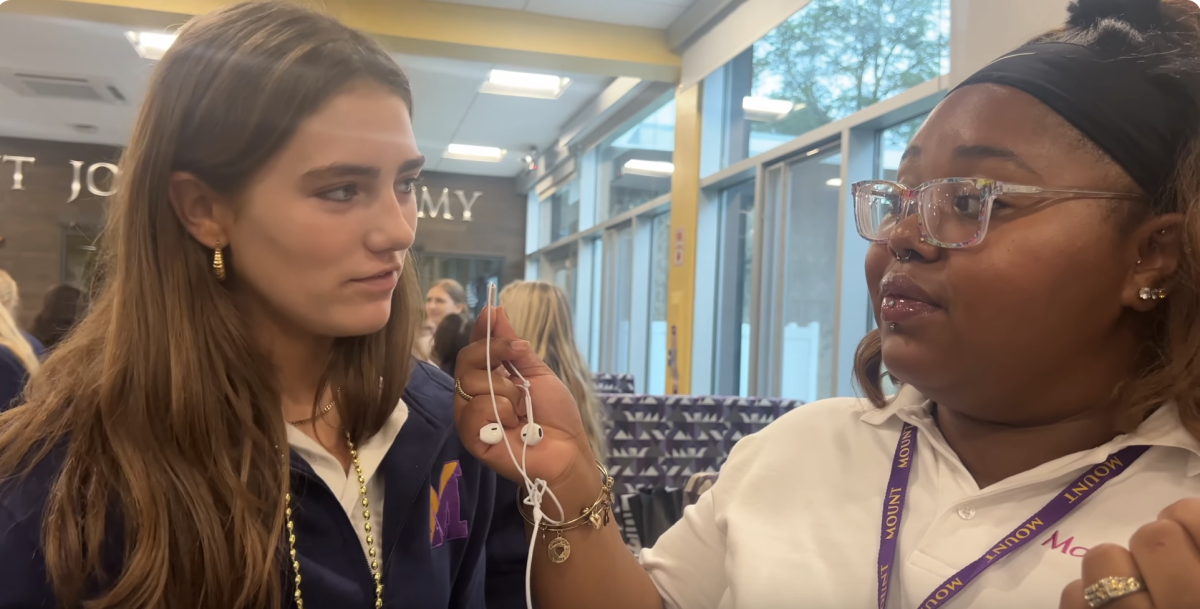
The foundation of journalism is interviewing. Stories mean nothing unless they have voices and experiences behind them, and that comes from interviews. Student journalists are constantly reaching out to peers, teachers, and even administration to pursue stories and examine different angles.
By taking the leap of faith to interview and communicate, students learn how to have productive conversations, and how to listen and understand. Even if it is daunting at first, students are able to become much better communicators in person.
By being able to approach people with respect, especially figures of authority, students demonstrate a rare skill. It is a skill that not only helps students as they grow into themselves, but also looks favorable on a college resume.
Journalism shows colleges that students care about their communities, about the issues of the world, and are not afraid to ask questions. They can approach people and listen, because they practice those skills every time they step into the newsroom.
Enabling confidence in students through writing and journalism is a powerful thing. Students learn that their voices matter, that they can approach people, that they are capable of telling stories that matter. Journalism certainly pushes students outside of their comfort zones, but it also pushes them towards a more confident self.
The Mount is known for producing young women who are intelligent and courageous, and there is no better place to learn those skills than through the newspaper. By having a student journalism program like the Campanile, the Mount fosters rare skills in its students.
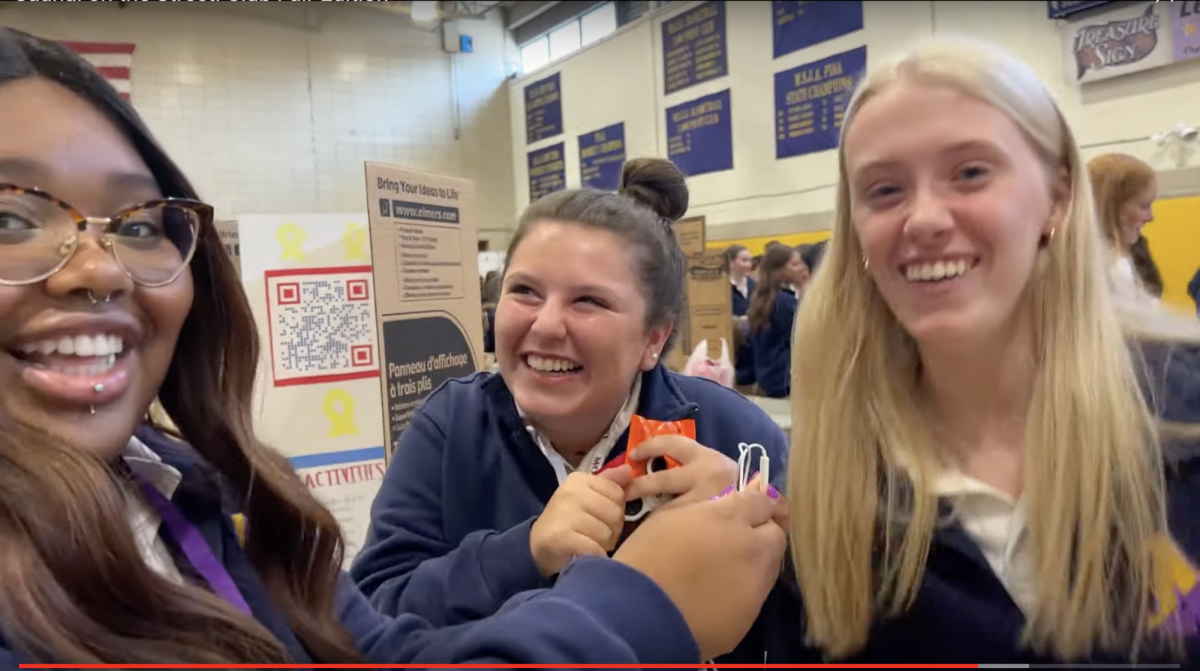
Not only does the Campanile teach skills outside of the classroom, but also serves as a touchstone of the Mount experience for countless students. Every year, over 50 students are involved in the Campanile, ranging from freshman to seniors. Each student is involved in their own unique way, from being an editor and writing to video content and art.
“Student journalism, specifically Campanile, was really important to me in high school. It allowed me to figure out my voice. It just showed me a path to take and it was just really, really helpful for me. I think everyone should have the opportunity to have an opportunity like the Campanile because it’s just vital to figuring out who you can be,” former Campanile Co-Editor-In-Chief Kaelyn McFadden said.
Student Voices Matter
More than anything, student journalism reveals to students that their voices matter. That their opinions and stories are valued by both the community and their school. Student journalism is not just about the articles themselves. It is the fact that students are even allowed to write the articles in the first place that makes it so critical.
Newspapers show students that their school cares about their voices, and in turn, students learn that their voices matter. It can turn the smallest of leaps into a lifetime of confidence and self assertion.
By fostering a real world news environment, student journalism teaches students that amidst the chaos of their world, their voices can make a difference. And by teaching students how to articulate those voices into journalistic pieces, that those voices can actually be heard. Student journalism doesn’t just matter to schools and the Mount. It is critical to student voices and the stories they have to tell.