






















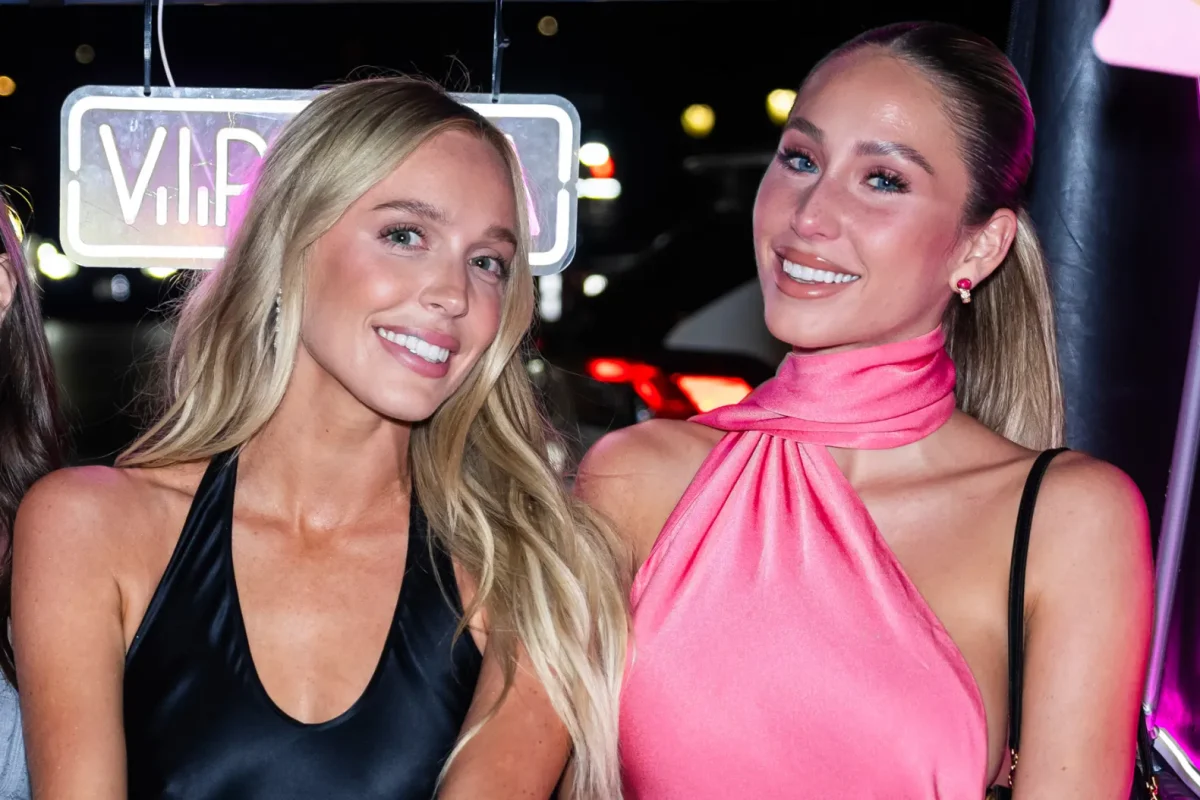













In the world of digital media, conflicts between creators often gain attention quickly, but the growing tension between influencer Alix Earle and podcast host Alex Cooper has stood out because of its business fallout and online engagement.
The two first connected through Cooper’s media company, the Unwell Network, which she launched following the success of her podcast “Call Her Daddy.” Earle joined the network as the host of “Hot Mess With Alix Earle,” becoming one of its most visible rising personalities.
For months, everything seemed fine and normal. Then, in February 2025, the Unwell Network posted a brief announcement on Instagram stating that Earle’s podcast was “no longer part of the Unwell brand.” No reason was provided.
Cooper addressed the situation days later on her podcast, telling listeners, “This wasn’t drama-driven. People are creating something that isn’t there.” Her explanation did little to stop speculation across TikTok, where creators began posting chronological breakdowns and theories about the split.

The conflict escalated weeks later when Cooper shared a series of Instagram stories accusing influencer Brianna LaPaglia of “pushing a fake narrative.” In the posts, Cooper included screenshots of old direct messages between them, writing, “You know exactly what you’re doing.”
LaPaglia responded on her “PlanBri Uncut” podcast: “Alix told me things. And based on what I heard, this wasn’t some random misunderstanding. Alex wasn’t good to her. That’s just the truth.”
Cooper posted on TikTok hours later, saying, “If you have something to say, just say it. The passive-aggressive stuff is exhausting.” Her video surpassed 1 million views in its first 24 hours.
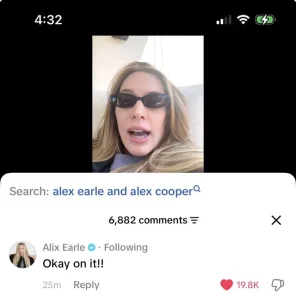
Earle replied in a short comment, “Okay, on it!!” which only generated more confusion about whether she was agreeing, mocking the situation or hinting she would release her own explanation.
Unlike typical influencer drama, this situation involves a broken business partnership and potential contract disputes.
For Cooper, continuing silence risks damaging her network’s image as creator-friendly. For Earle, speaking out could reshape her brand or strain future business opportunities. Both have something significant to lose.
Leah Hartzel ‘27, said, “I am team Alix Earle because I love Dancing With The Stars. I think that it is really funny that Alex Cooper posted a whole video calling her out and Alix hasn’t responded and is just doing her own thing. Stay Unbothered.”
Anna Saucier ‘27, added, “I am team Alix Earle. I love watching her Coachella Vlogs and she is so much better.”
Their responses highlight how students see the conflict not just as drama, but as a reflection of bigger issues surrounding workplace fairness and power dynamics.
Paige Coyle ‘27, noted, “I feel like it is a PR stunt because they share the same publicist.”
Some people argue that the timing, public back-and-forth, and dramatic vagueness seem almost too perfect for generating online attention.
The fact that both Earle and Cooper share the same manager has fueled these theories even more.
Until one of them offers a complete explanation, the tension between the two remains unresolved and a reminder of how even the most carefully curated online partnerships can unravel in public.