























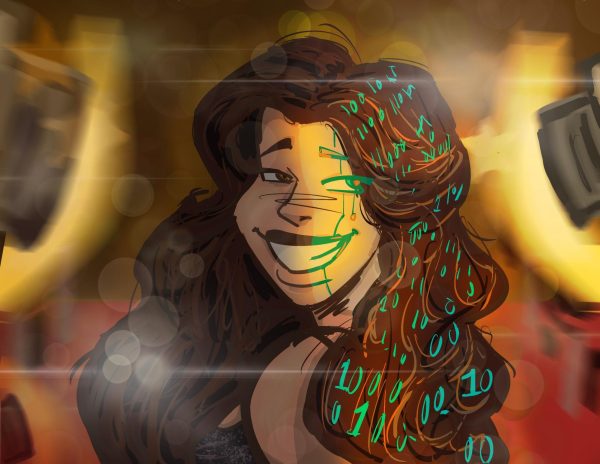





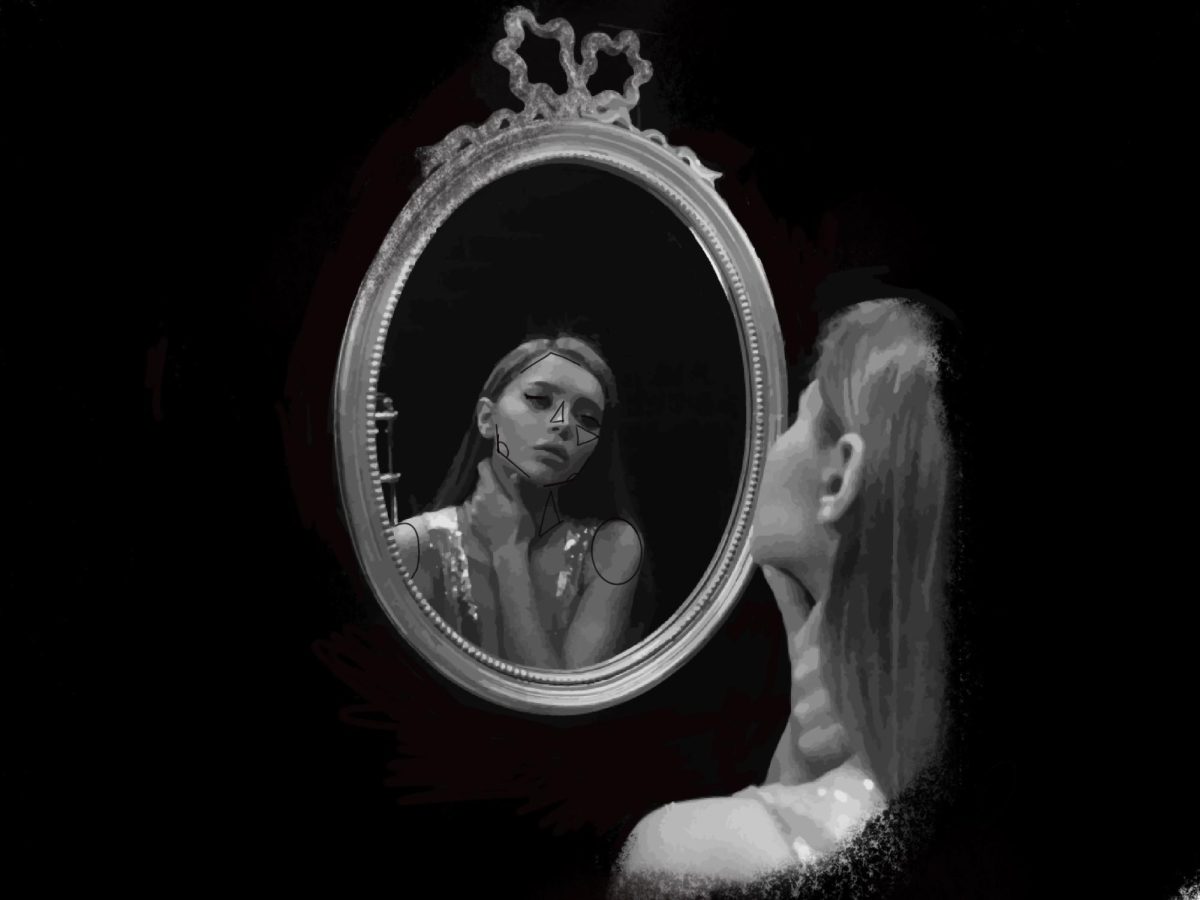
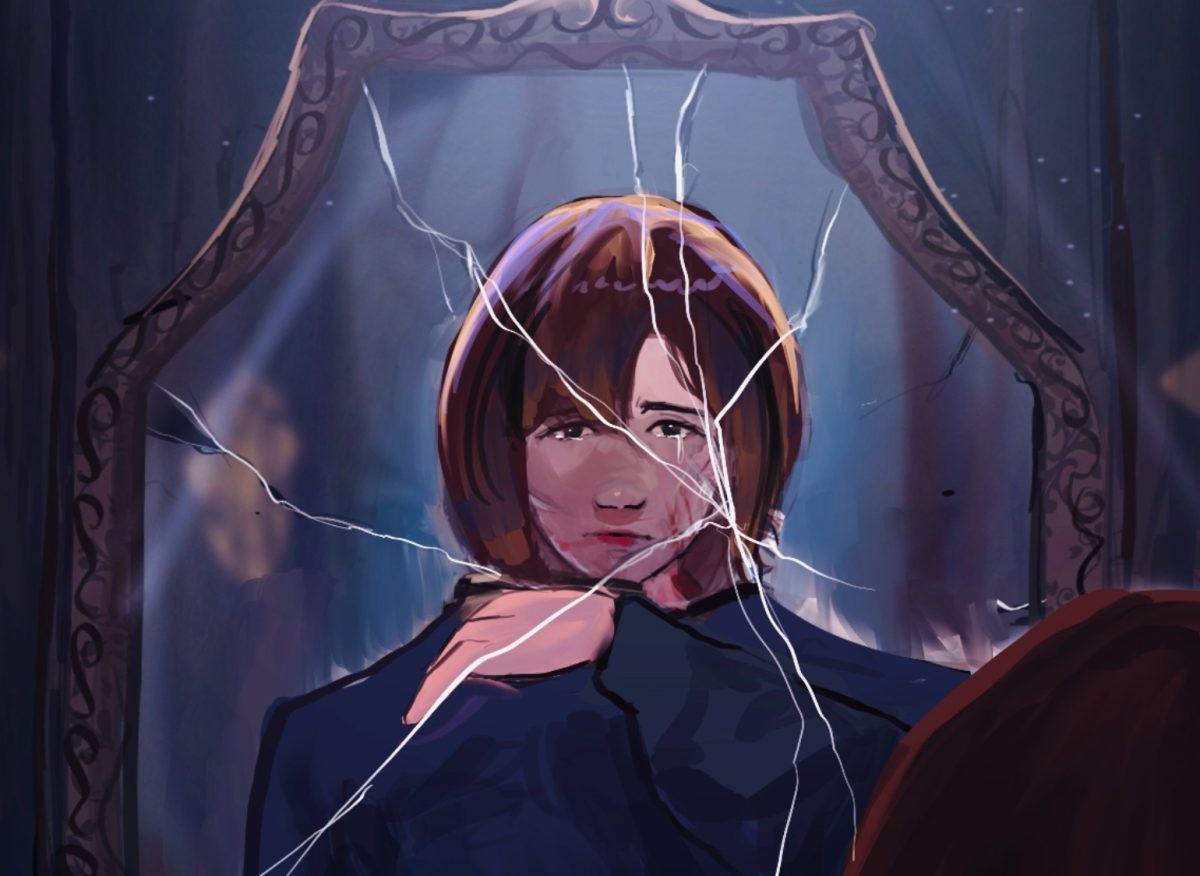















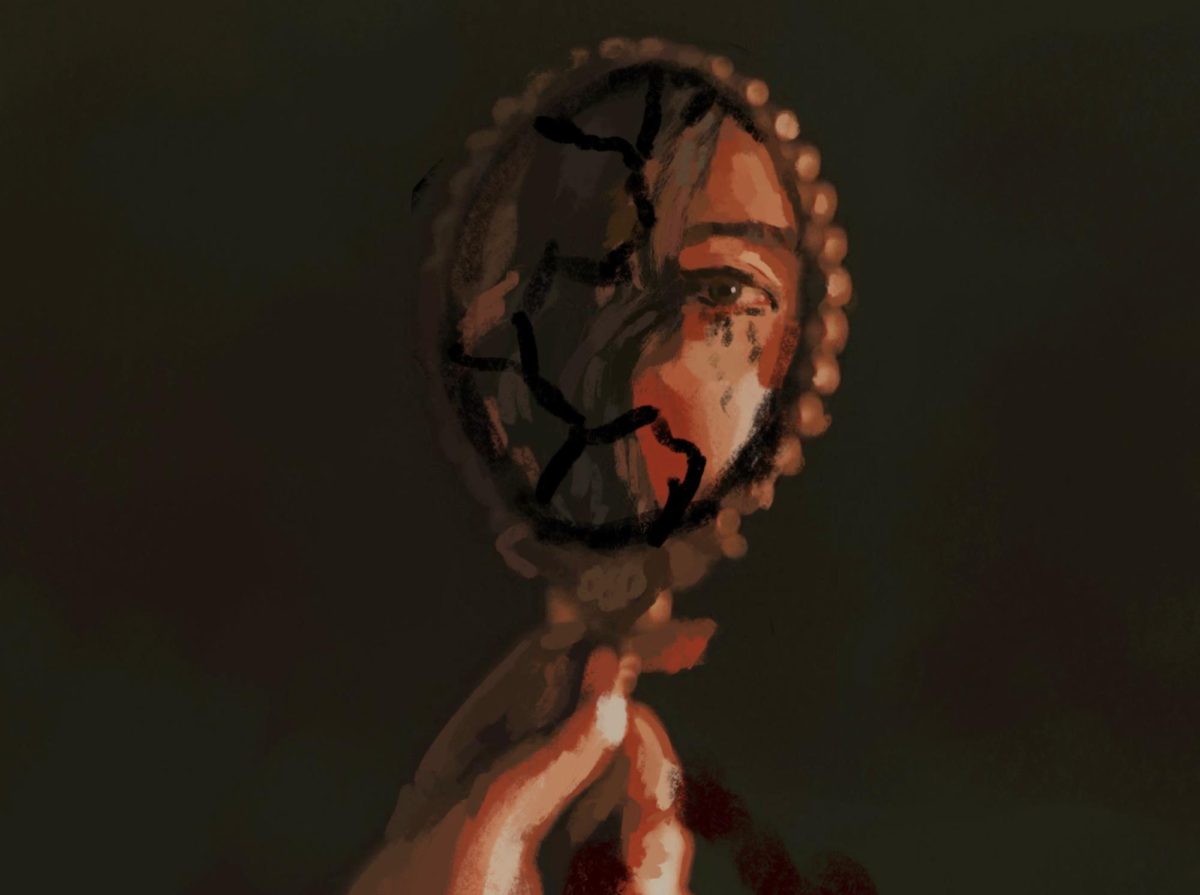
For centuries and across continents, women have been desired for solely one trait: beauty. Women have not only been desired for beauty, but for hundreds of years it was the only thing that constituted value in a woman. So in order to be deemed of value, women went to extreme measures to achieve the label of “beautiful.”
“I think that everyone has their own insecurities with things, and I think that once beauty trends start cycling around, more and more things start getting picked on. Everyone has all their unique features about them, and when that gets picked apart by the media, then it can affect people’s mental health and their day-to-day lives,” Lauren Delp ‘30 said.
Through a growing reliance on social media and a long history of unrealistic standards, extreme beauty measures becoming commonplace in modern society encourages mental and physical harm in women.
The Painful History of Beauty
The practice of being beautiful is not just arduous, but excruciatingly painful. Women have not only been subjected to extreme processes to achieve beauty, but have inflicted self-harm upon themselves in order to be considered of value.
“Beauty standards are something that from a very early age we’re kind of taught to honor. So I think growing up you definitely see movies, people on TV that all look the same and so you’re kind of subconsciously taught that that’s the goal and that’s the standard. So I feel like subconsciously we’re all kind of working toward this end goal that in reality is just not attainable because it’s not realistic,” Grace Balkowski ‘26 said.
For instance, in 10th century China women and young girls engaged in the process of footbinding, a debilitating process that spanned nearly a thousand years until the 20th century. According to Smithsonian Magazine, women internally broke the bones in their feet and tightly bound them into small shoes in an attempt to achieve the beauty standard of small feet during that time.
Similarly, women in the Late Victorian Era suffered deformed ribs, muscular dystrophy, reduced lung capacity and even skeletal deformation as a result of the tightly bound corsets worn to achieve a small waist, according to the Charleston Museum. This was in a painful attempt to achieve the branding of beautiful.
The Painful Practices of Today
As a society, progress has been made in terms of valuing women beyond their physical appearances. While it is widely recognized that women possess value beyond merely their looks, centuries of encoded beliefs do not die overnight. Modern women are still harming themselves in order to achieve an impossible standard of beauty.
“No one should be pressured to look a certain way, because I feel like now it’s more of a standard look that people are expected to have, and that’s just not normal for everybody. People make these videos that suggest that you should look a certain way, and they will frame it as self-care, but it’s not good for anyone’s mental health,” Evie Lauinger ‘27 said.
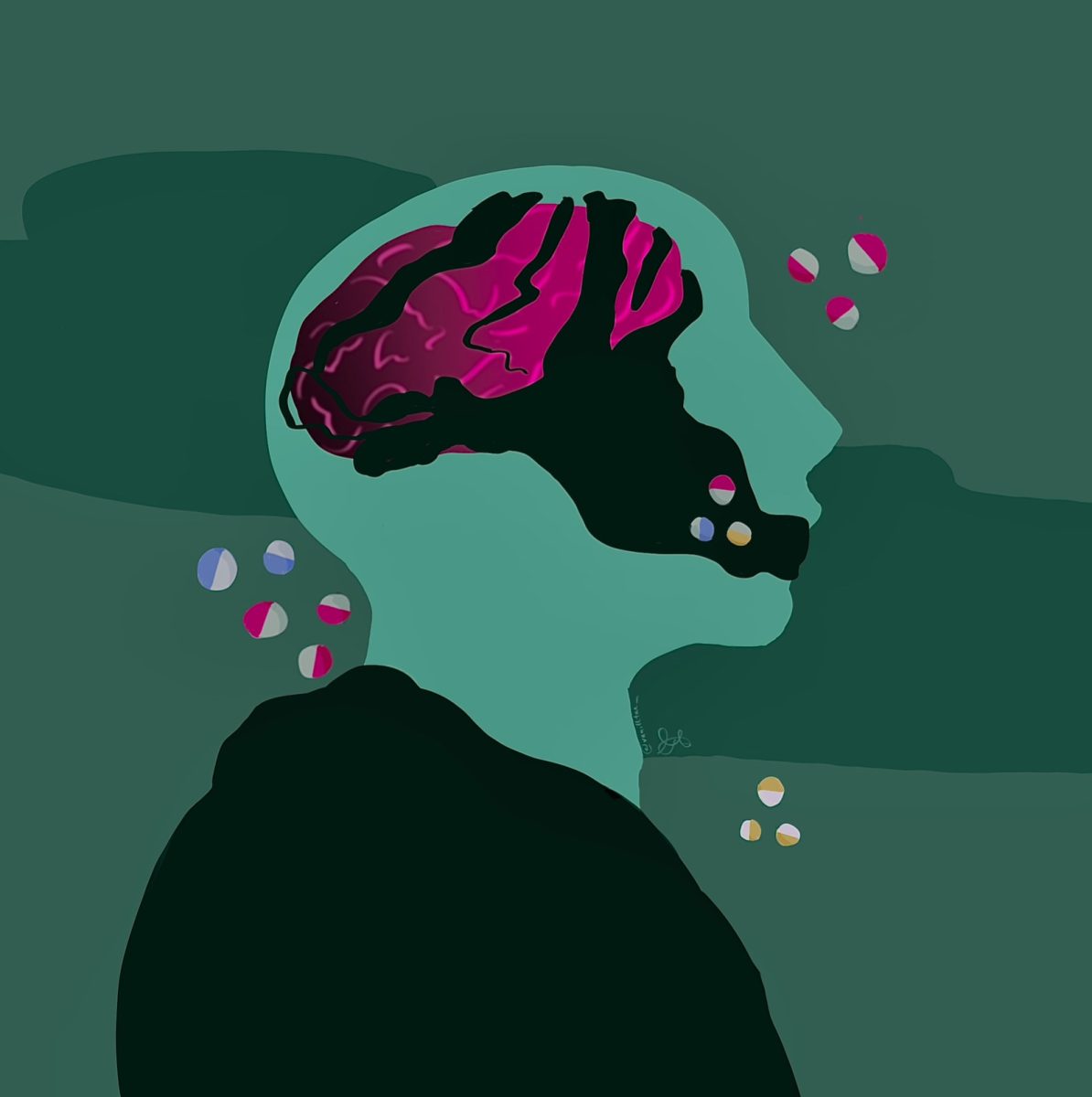
According to the Journal of Pediatrics, eating disorders have skyrocketed in the past twenty years, especially among young girls. Women have undergone deadly practices of self-starvation throughout history to achieve an impossible standard of skinny, which was especially adamant in the 1990’s and early 2000’s.
While it is beyond painful and highly dangerous, self-starvation and eating disorders continue to destroy the lives of young girls today, who feel pressure to meet a certain standard of beauty that isn’t even attainable. The ideal image of a woman is bloated with filters, photo editing, and plastic surgery. Our standard of modern beauty isn’t even real.
More women than ever are also undergoing Botox injections or bodily altering surgeries in order to achieve a certain look in their physique because they feel pressure from the media. And with more and more women undergoing these procedures, these unrealistic standards walk out of our screens and onto our streets.
The Beauty Standard
“I think that a beauty standard should be something that you set for yourself, and I think that it shouldn’t be influenced by anyone other than yourself, because if you feel beautiful and confident in the way you are, then that’s all that matters,” Lauren Delp ‘29 said.
While mindsets have evolved, so have the practices that women harness to achieve a standard that is still constantly reinforced in the media and modern society. The process of being deemed “pretty” is often painful and dangerous. And yet society and media continue to pressure women to pay the price, even if that price is deadly.
“I think beauty is so much more than your reflection in the mirror. It’s kind of a culmination of all the different parts of yourself, your interests, your passions, your relationships, what you can contribute to the world. Give yourself grace and don’t feel like every day you need to be what everyone else expects you to be,” Grace Balkowski ‘26 said.