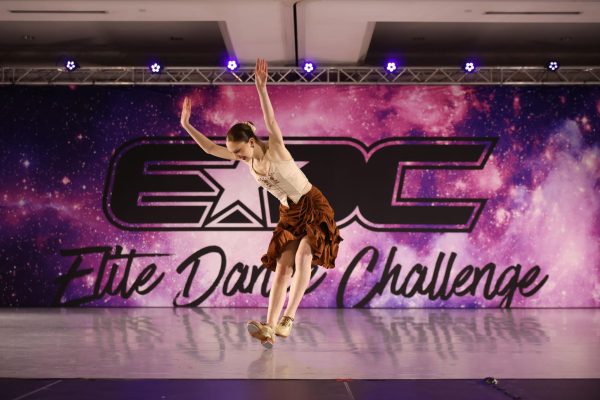












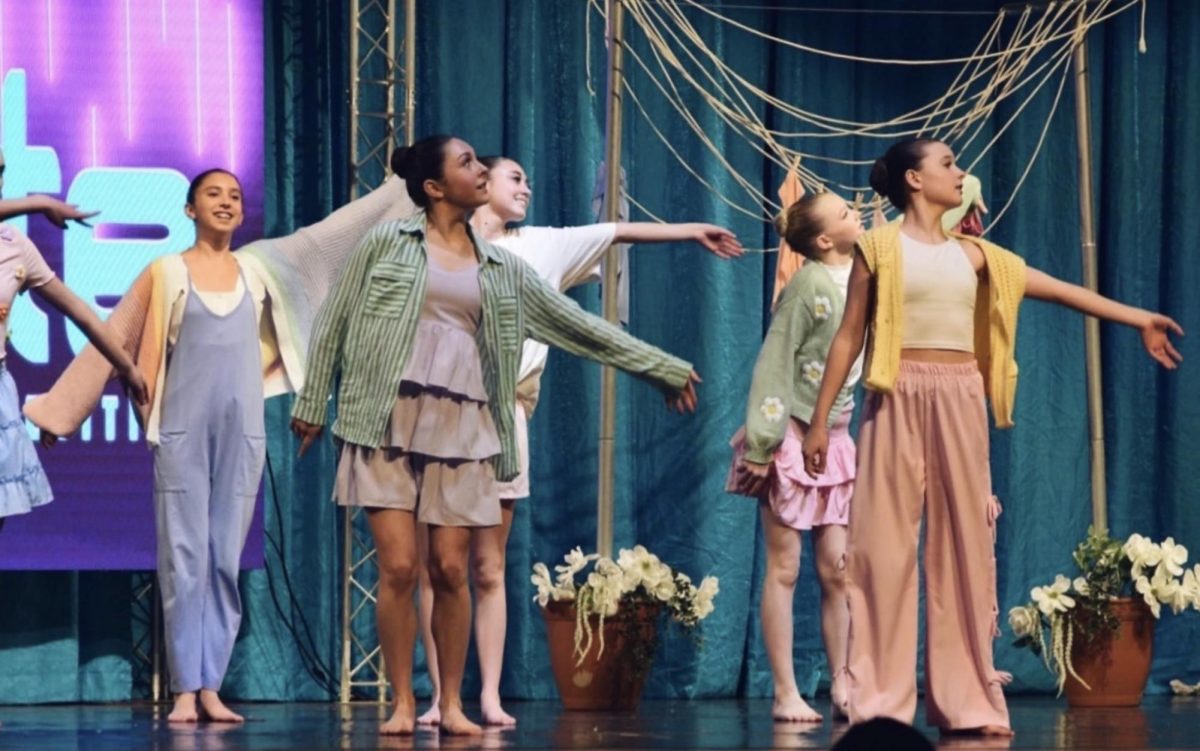





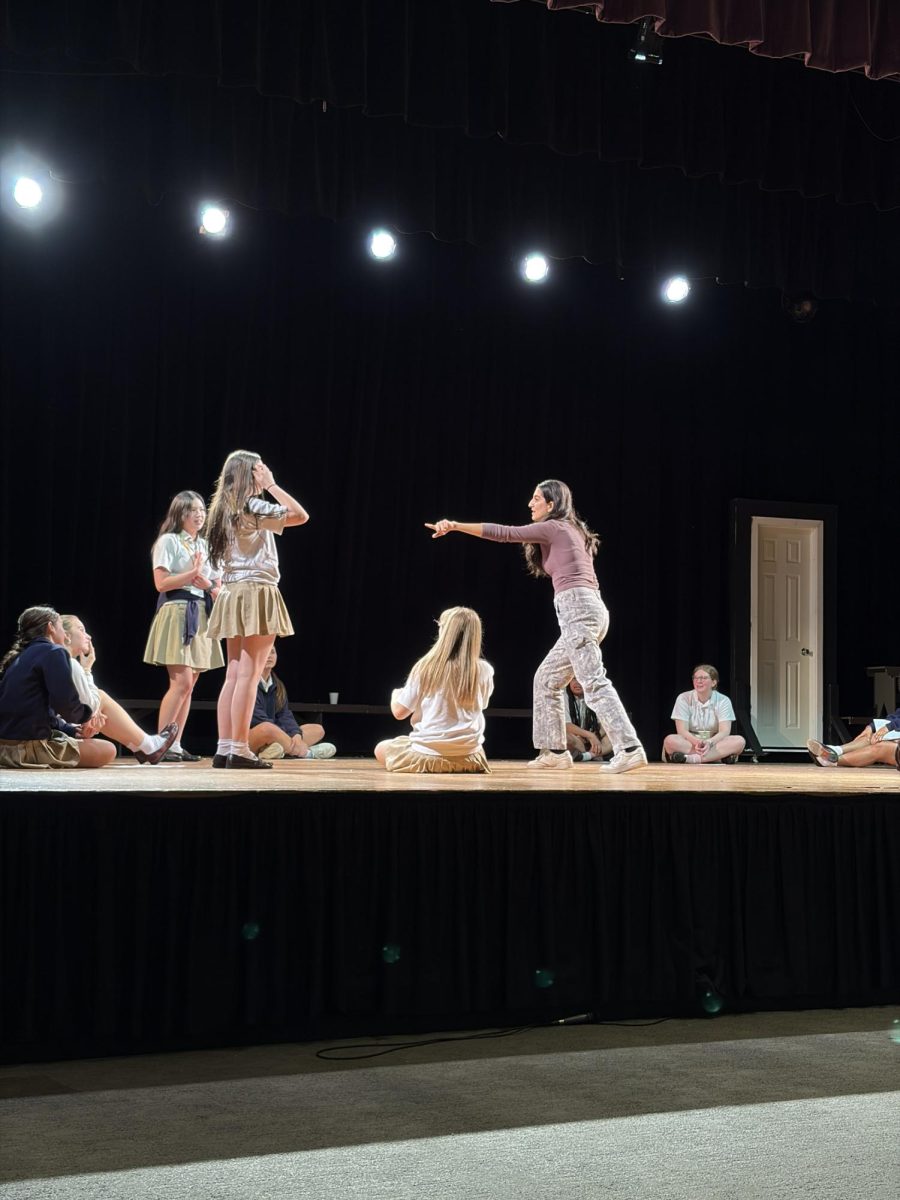














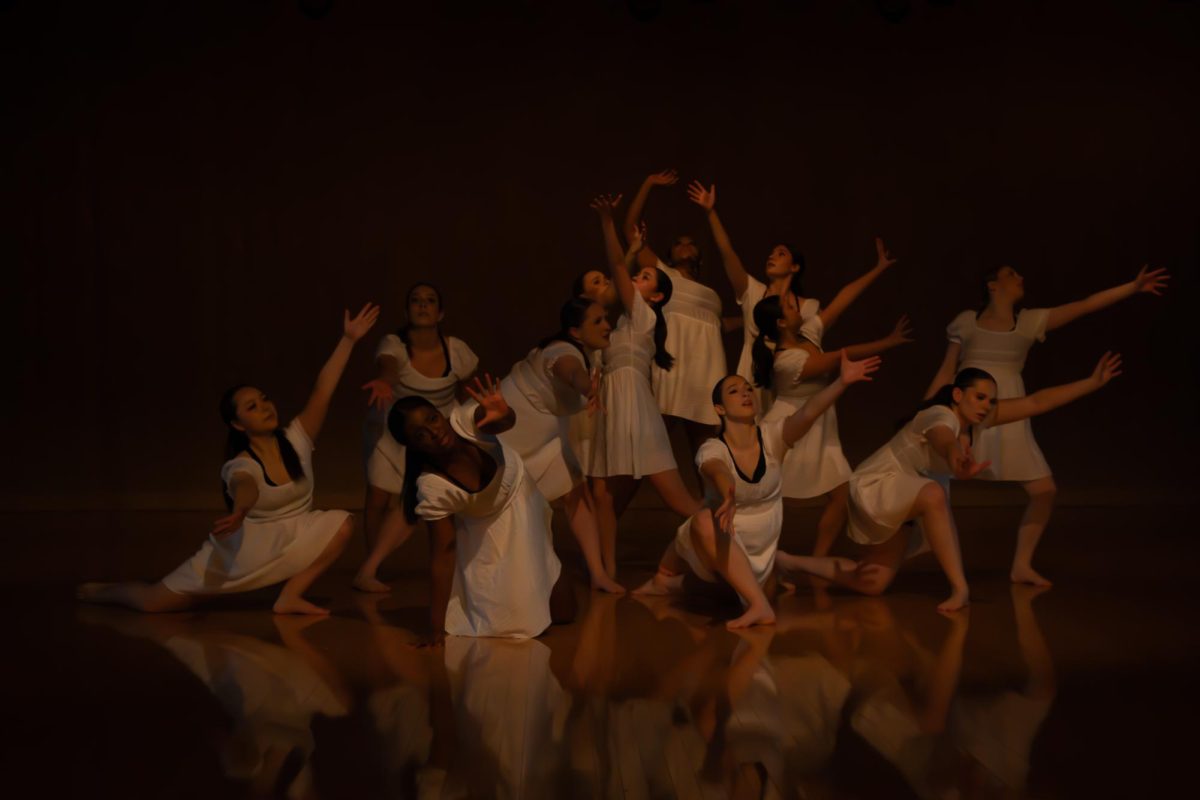
For younger individuals, recalling the steps in a dance routine appears to be an enjoyable form of active recall. Recent advances in neuroscience are now proving the significance of utilizing dance to prevent Alzheimer’s, severely lower the risk of dementia, and help rehabilitate Parkinson’s patients.
Leisure activities help keep the brain active by calling on neural strength to remember patterns and sequences. Dance strengthens body-to-mind connections, and was found to decrease an individual’s chance of being diagnosed with dementia by stimulating the limbic system which regulates emotion and forms memories. It also increases intellectual retention which wards off brain degeneration, allowing individuals to live their lives to the fullest while their age increases.
In 2003, the Albert Einstein College of Medicine published in the New England Journal of Medicine the outcomes of their 21 year long study on “Leisure Activities and the Risk of Dementia in the Elderly”. They found that out of all the pastimes enjoyed by users over the age of 75, dancing had the greatest effect on decreasing the risk of dementia, which was by nearly 76%.
Specialists are using the term “muscle memory” to describe the memory storage that results from practicing dances, memorizing a place in a formation, and making notes of corrections to apply. In 2019, former prima ballerina Marta Cinta Gonzalez Saldana demonstrated how dance strengthens memorization skills even in the face of diseases such as Alzheimer’s. Even as a woman in her late eighties, Marta almost perfectly recalled the steps from Tchaikovsky’s Swan Lake which she performed with the New York City Ballet in the 1960s. Despite being bound to a wheelchair and facing a sickness that taxed her cognition, Marta was able to remember what she loved most.
Another degenerative disease called Parkinson’s is being tested to determine whether or not dance can be used as a rehabilitation technique. Parkinson’s is defined as, “a progressive system disorder that affects movement, causing symptoms like shaking, stiffness, and difficulty with balance and coordination.” According to a Harvard study performed in 2015, “dance can be considered a form of rhythmic auditory stimulation,” which results in better motor control, strength, and flexibility.
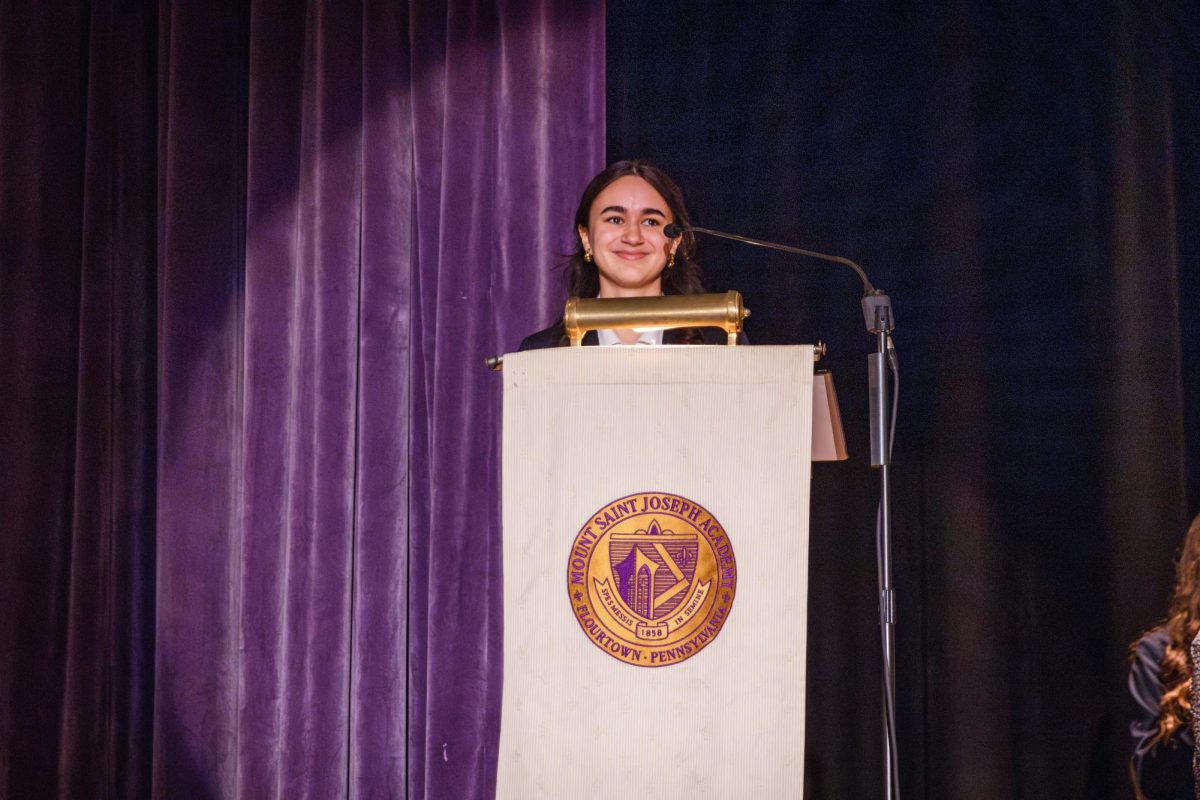
As promoted by Ms. Gina Beren, Mount Saint Joseph Academy’s Dean of Student Life and Formation, the slogan, “Be where your feet are,” encourages individuals to remain grounded and rooted in the present. Likewise, dance regulates the nervous system and creates mental resilience.
This belief adds to the idea that training mental responsiveness should not begin in old age, but rather it should be continuously strengthened throughout the stages of cognitive development.
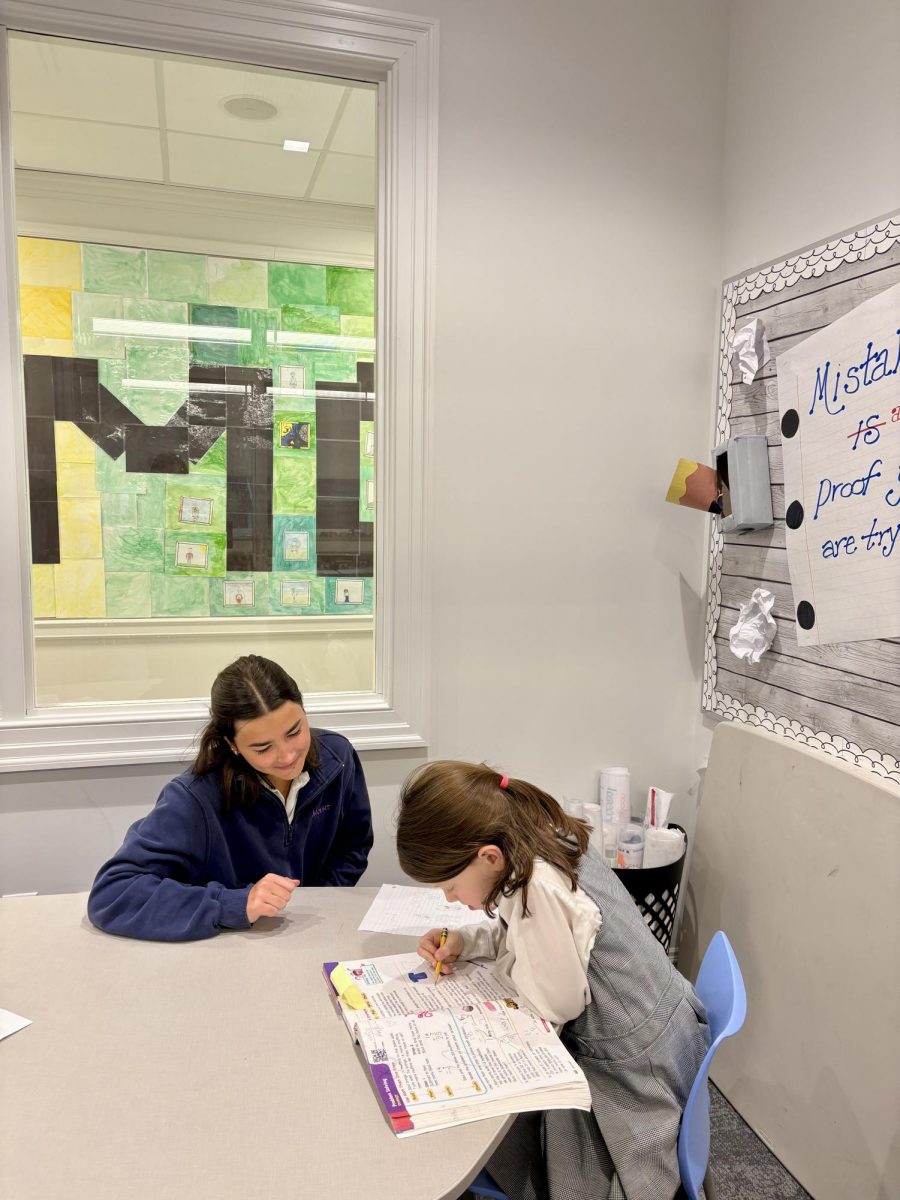
“Being able to pick up choreo fast allows me to learn things and sequences easier, like in math. Math has always come kind of easy to me when you have to remember the “rhythm” of it because it gives you something to rely on,” Piper Richardson ‘29 said.
Not alone in this feeling, Julia Paccapaniccia ‘27 said, “Memorization is always nice, especially memorizing long equations for math or just learning and associating dance with words choreography wise, like vocab associating words with other words I already know to help me memorize those.”
Rachel Delp, an alumna of Mount’s class of 2025 and a freshman dancing at the University of Rochester said, “If the music came on, it would take me maybe thirty seconds to remember the entire thing from start to finish of every single dance I have ever done.”
Researchers and testimonies from students and individuals such as Marta help influence others to see the reliability of dance as a mind-to-muscle technique. Future responses to research can influence the quality of patients’ lives on a global scale, and cause medical professionals to view dance as more than a surface level activity, but as a preventative strategy and form of physical therapy.