



























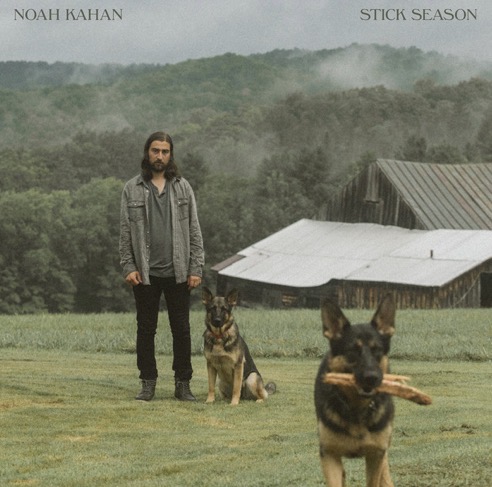
Released in April 2026, Noah Kahan’s new The Great Divide album is a 17- track, 77-minute exploration of small-town nostalgia, sobriety and complex relationships, functioning as a “reckoning” after Stick Season.
The title track, “The Great Divide,” became an instant hit, racking over 115 million streams on Spotify within months of its January 2026 release.
Noah Kahan is a Vermont born, folk-pop singer and songwriter. He rose to fame with his 2022 hit “Stick Season,” driven by rural nostalgia and raw mental health storytelling.
He began writing songs at the age of eight and posting his music to YouTube and SoundCloud, grew up on a 13-acre tree farm, and became a 2024 Grammy Best New Artist nominee known for his candid, self-deprecating humor.
Kahan’s music has a wide variety of listeners, and got reviews from some Mounties.
“I really like his new album, it’s a different kind of vibe compared to Stick Season but in a good way. In the album my favorite song is “End of August” because the lyrics are really good, but also quiet and subtle, overall gives it a new and fun feel,” Charlotte Cole ‘27 said.
“I love how long the album is because it gives it room to fit in different varieties of songs like “Doors” which is more high pace while “Willing and Able” is more of a slower song with sad lyrics” Claire Furletti ‘27 said.
Some confusion was caused when Noah Kahan created an interesting contrast between his songs “You’re Gonna Go Far” in his older album Stick Season
and says:
“So, pack up your car, put a hand on your heart
Say whatever you feel, be wherever you are
We ain’t angry at you, love
You’re the greatest thing we’ve lost”
And in “Dashboard” in his new album The Great Divide when he says:
“Look at you go, crossin’ state lines with your shadow
Tryna run away
Change your zipcode”
In “You’re Gonna Go Far,” he seems to encourage people to leave home, chase opportunities, and grow beyond where they started. But in “Dashboard,” he takes a more critical tone, calling out people who leave and change, even using harsh language toward them.
This shift can feel confusing to listeners because one song celebrates ambition and moving forward, while the other questions or resents it. Together, though, they may reflect a more complicated reality—how growing and leaving can be both admirable and painful, especially for the people left behind.
Overall, The Great Divide highlights Noah Kahan’s ability to sit with emotional contradictions rather than resolve them neatly.
This tension is part of what makes Kahan’s songwriting resonate with so many listeners. He captures the reality that people don’t feel just one way about change—they can be proud of someone and hurt by them at the same time.
In the end, The Great Divide doesn’t just describe separation between places or people—it explores the divide within feelings themselves, where love and frustration often exist side by side.