



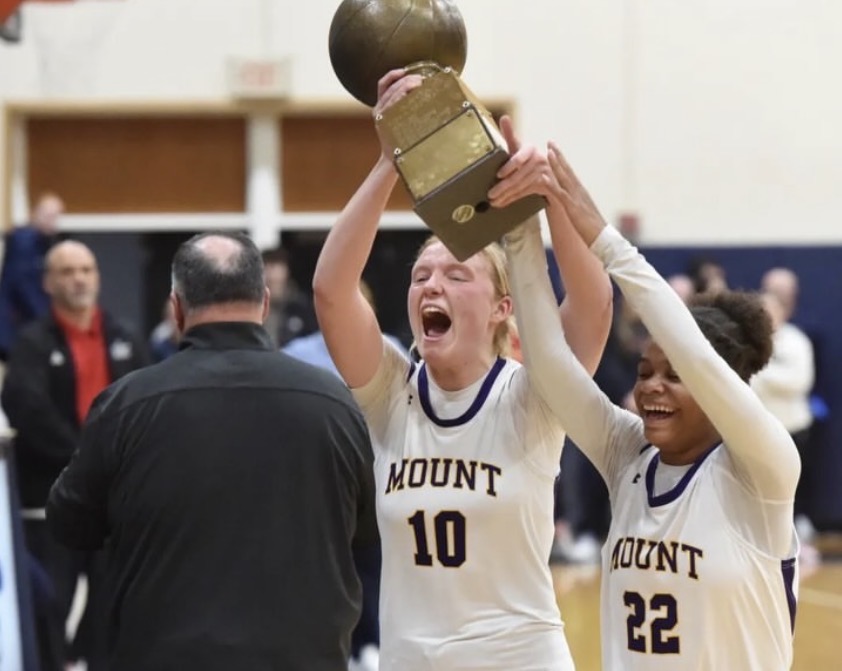

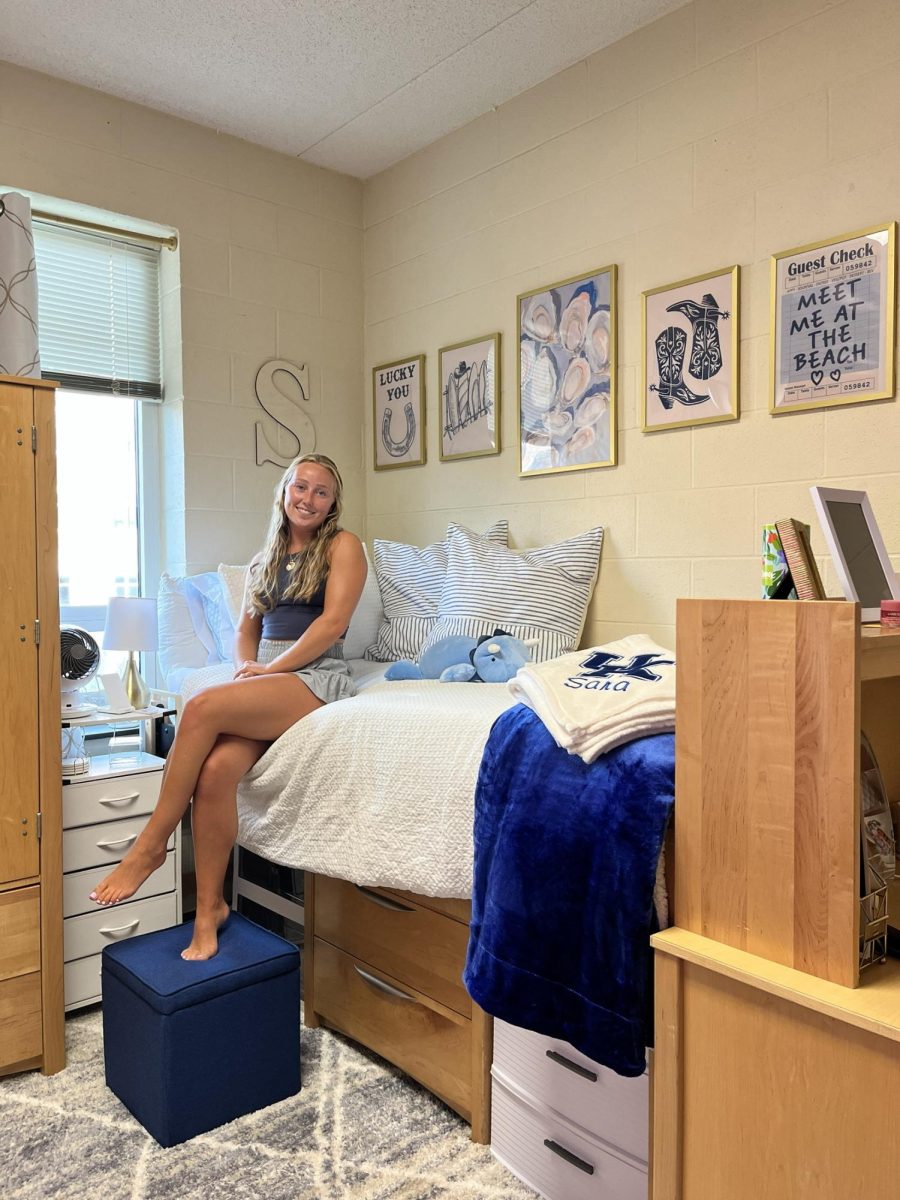
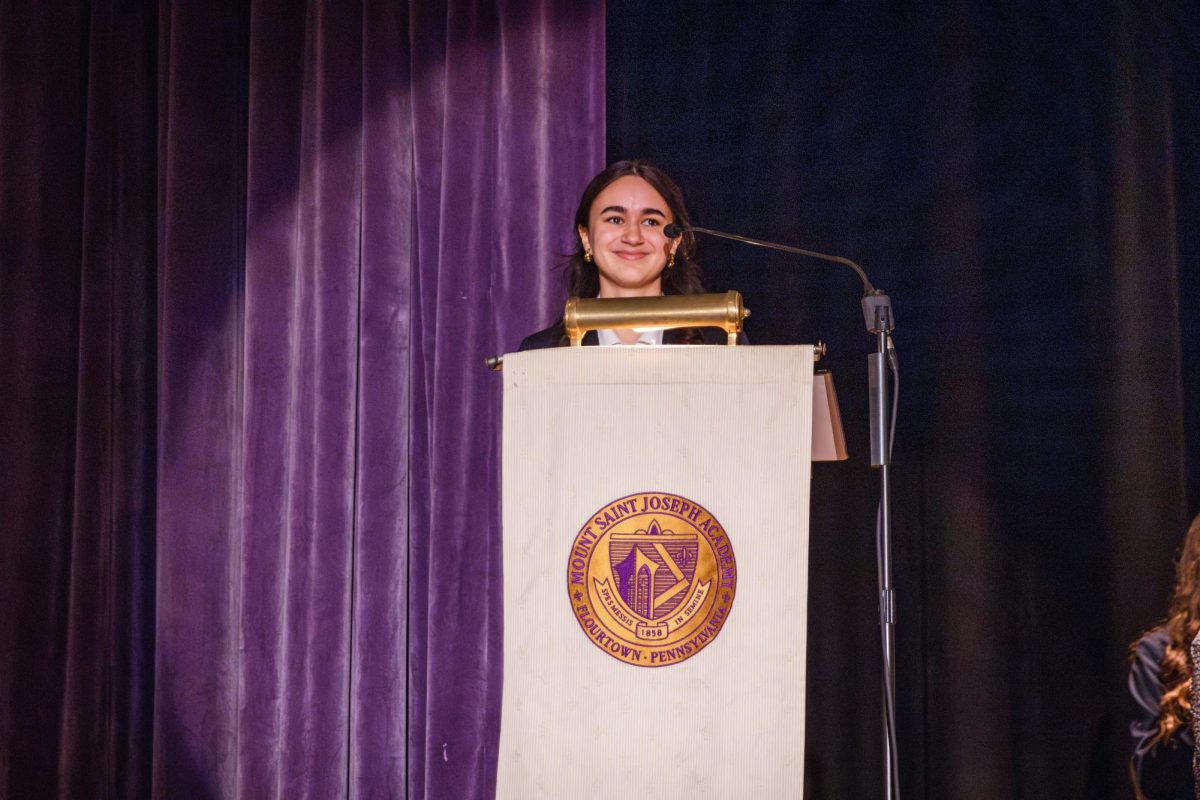

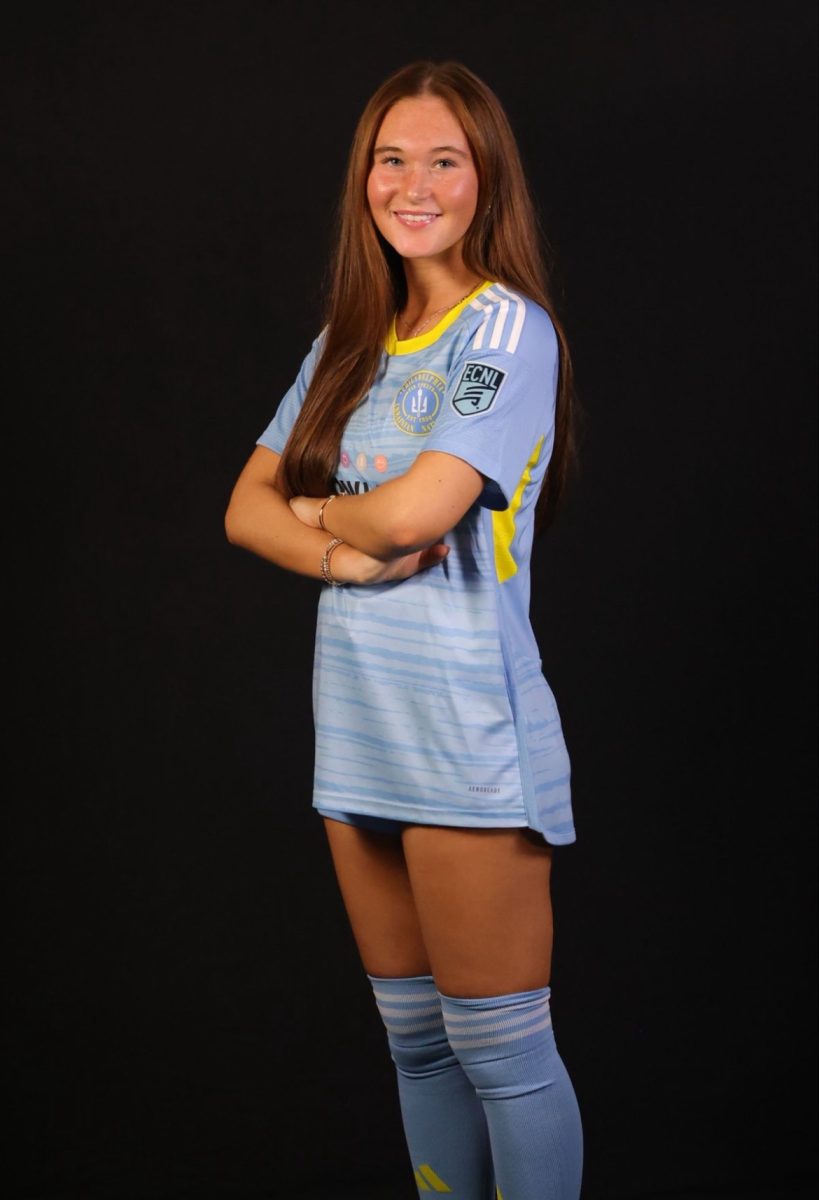



















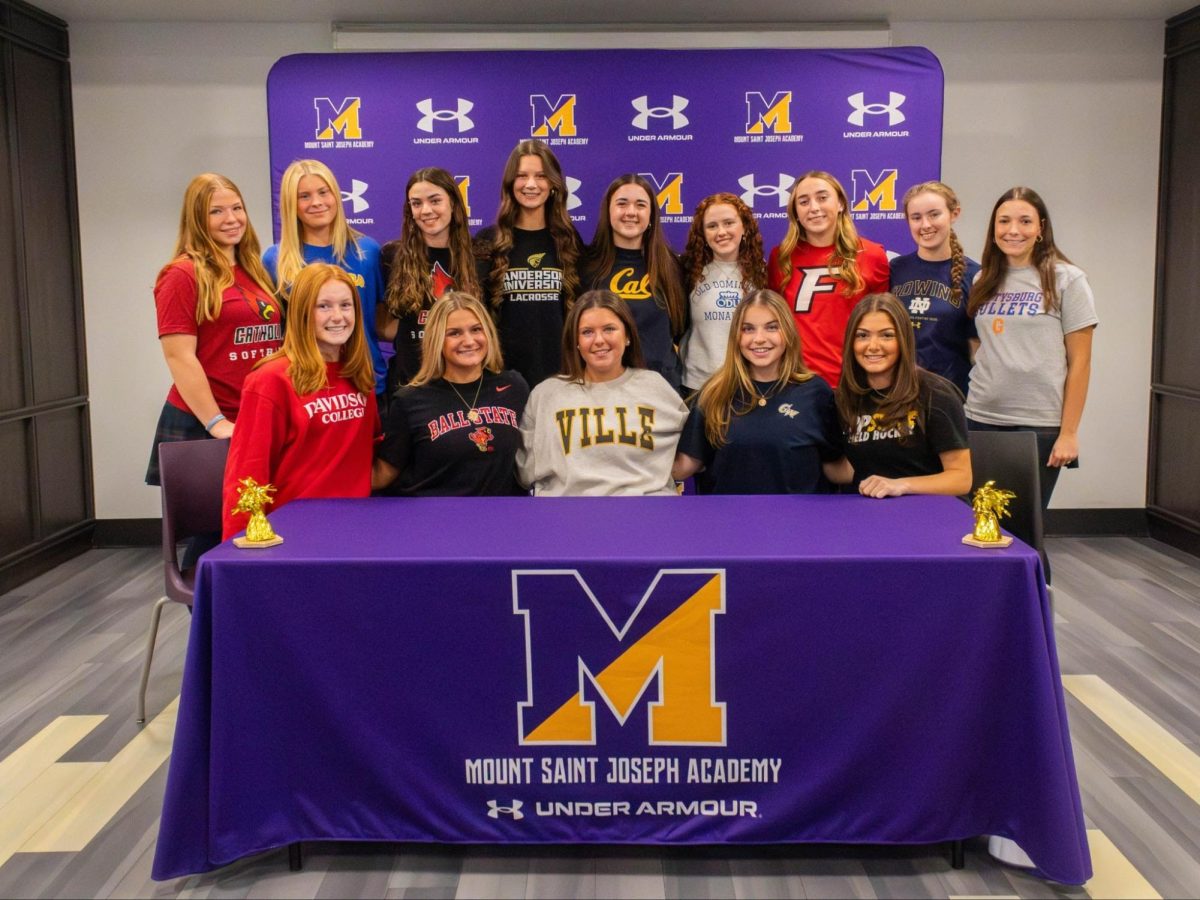
If you have been following the Mount’s many sports social media accounts, you may have seen posts with the phrases “signing day” or “committed athletes.” In the fall of 2025, 15 athletes of various sports signed letters of intent to officially commit to continuing their sport in college.
As straightforward as the National Signing Day may seem, the preceding recruitment process is far from a linear path for athletes. Starting around June 15 of their sophomore year for most sports, athletes looking to further their athletic career embark on a long journey in their pursuit of the right college for them. With all its rules and quirks, the recruiting process takes each athlete on a unique journey that most would never willingly choose to undertake.
As high school athletes begin to expose themselves to the college world with occasional emails and correspondence with coaches, athletes navigate uncharted territories like unresponsive coaches, the increased pressure to perform, and uninformed—or sometimes too informed—parents.
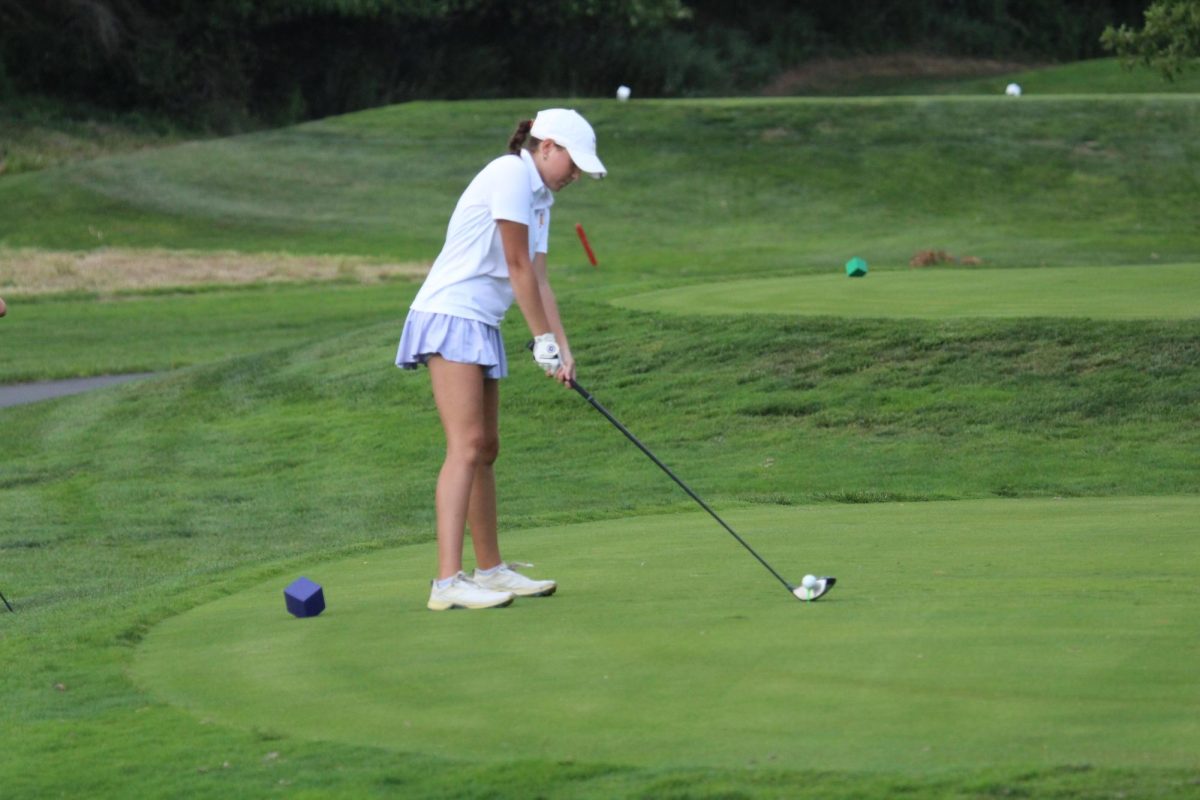
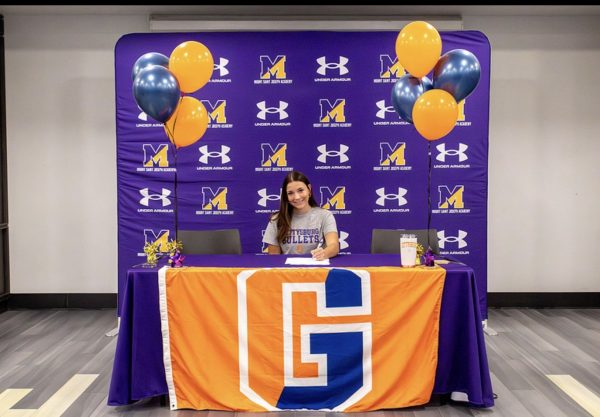
Michaela Ianieri ‘26, a Gettysburg College golf commit, described the early stages of her recruitment process saying, “…at the beginning it was kind of slow and I didn’t know what was going to happen and there was a lot of uncertainty.”
Just as they seem to be gaining significant progress, they could easily find themselves regressing backward—for example, just when an athlete contacts a college they love, there could be another recruiting shutdown they didn’t even know existed. Recruiting shutdowns or “dead periods” refer to time periods when athletes are prohibited from any recruitment communication, and are common throughout the year.
In a sometimes vicious cycle, self-doubt gives way to confidence, only to return to a larger sense of uncertainty about the “correct” way to do the process. Experts claim the recruiting process can find the right fit for everyone who wants it, while athletes often find themselves lost in all the little details.
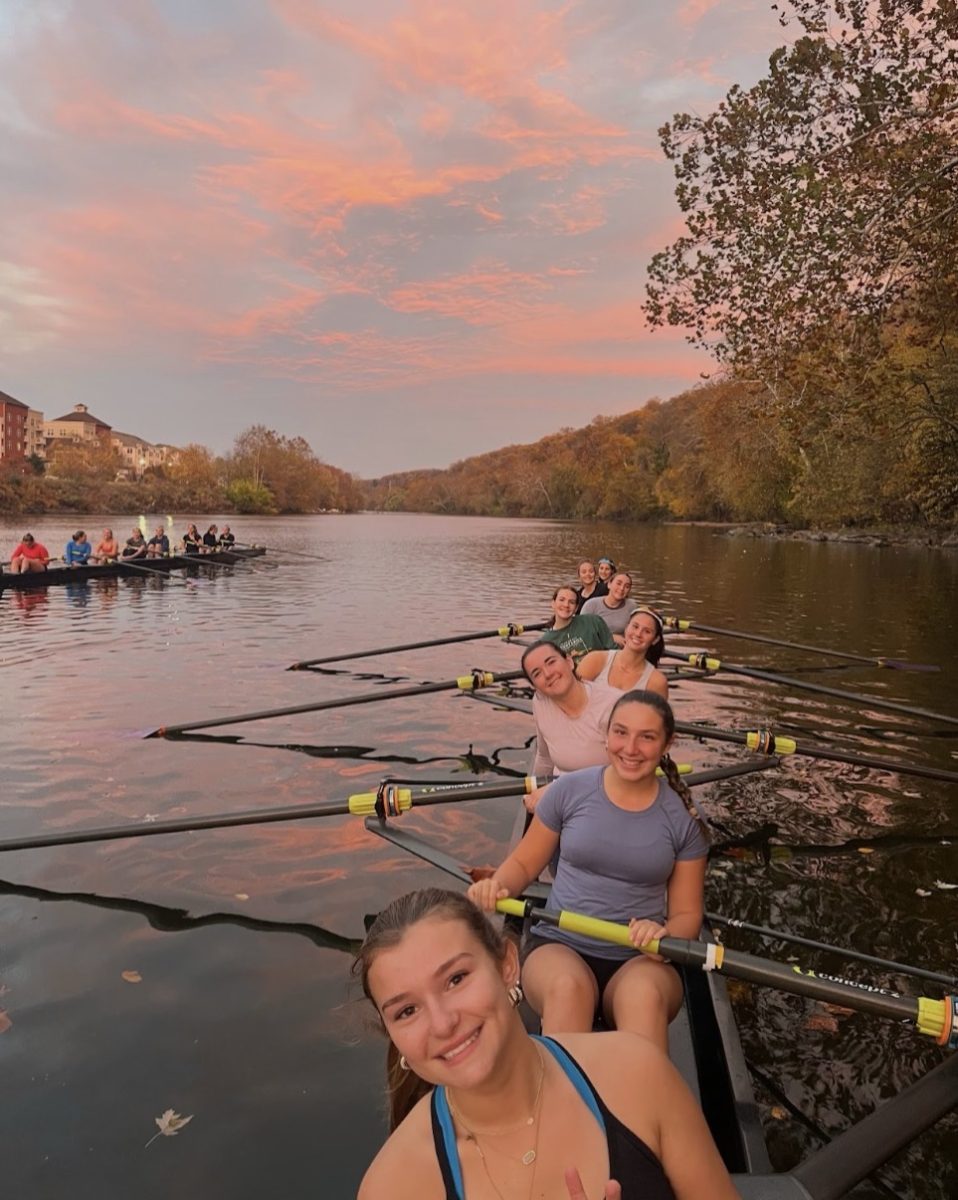
Maddie Dudley ‘26, who recently committed to rowing at Fairfield University, stated “My recruiting process was very long because for rowing the process can be very long, and there was a lot of ups and downs to it….”
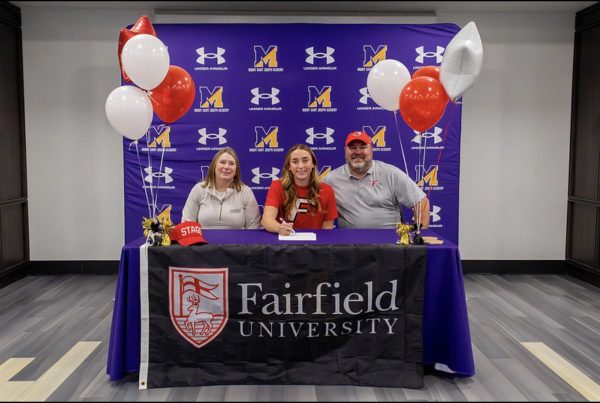
In fact, this cycle of highs and lows only intensifies as you progress from sophomore to junior to senior year. Recruits begin meeting with coaches in person, setting up calls with the head coaches, and receiving offers.
Each college program comes with its own expectations and requirements for recruits. Whether it’s a certain 2k score in rowing, footage of the recruits’ technical skills, a benchmark SAT/ACT score, or certain qualities, meeting their preferences is instrumental to a successful process.
Some colleges may not be looking at an athlete’s graduating class for recruitment until close to their senior year. On the other hand, some colleges may have finished their recruiting class for the next year before those athletes hit senior year. Recruits must ultimately learn to adapt to each college’s style of recruiting.
Kayleigh Costello ‘26, a Notre Dame coxswain commit, described how she began her recruiting process in August of her junior year and was able to commit to Notre Dame by March 4 of that same year. She had two unofficial visits to Syracuse and Penn before ultimately settling on Notre Dame after an official visit in mid-February.
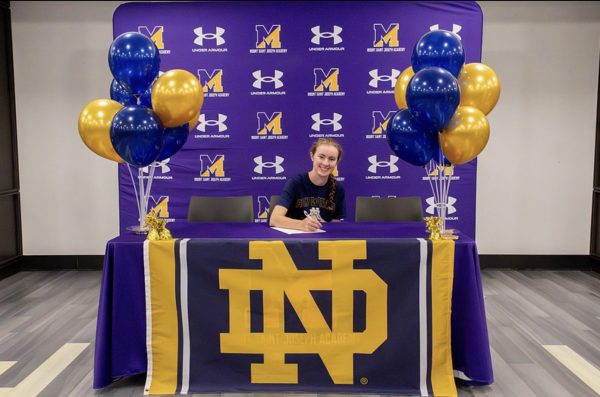
“I sent my commitment back the next day and then I continued to email monthly until mid-November of my senior year when I signed on November 15th,” Costello said.
In addition to colleges’ varying preferences, NCAA—National Collegiate Athletic Association— has general requirements that all involved with recruitment must follow. For Division I sports, sophomores can only directly interact with college coaches after June 15 of their sophomore year. Beginning August 1 going into their junior year, recruits have more freedom in speaking to college coaches face-to-face.
They can go on unofficial visits (not funded by the college), official visits (funded by the college), and engage in in-person communication with fewer strings attached. The NCAA lists more sport-specific requirements on their website.
These are just some facets of the recruiting process that make the time leading up to signing day during senior year chaos for athletes being recruited. Following their official commitment, colleges also expect recruits to keep up academic performance. They may suggest a rigorous schedule that matches what the recruit would see at their college.
While recruitment may seem never ending for high school athletes, it has been, more often than not, worth the effort for many. Just this fall, five senior Mount athletes committed for rowing, four for lacrosse, three for field hockey, two for softball, and one for golf. Additionally, several juniors are either in the midst of the process or already verbally committed to schools.
Junior recruit, Anna Saucier, recently verbally committed to play lacrosse at York College.
“After being recruited and finding somewhere that I can call my home, I’m realizing how it’s such a gratifying process to put all that work in and to see my result,” Saucier said.
Whether a sophomore, junior, or senior, it takes considerable discipline to grapple with the consistency the athletic recruitment process takes along with school work, extracurriculars, and a social life. The National Signing Day is just the final check mark in a long to-do list before committing to a college.